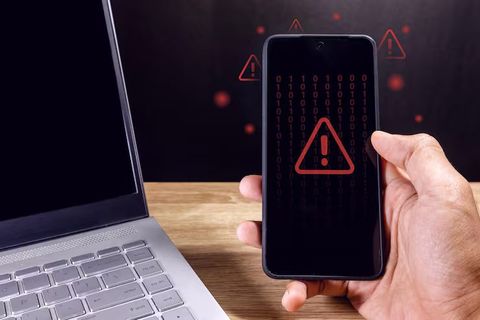
Secure Mobile Usage Methods: Strategies, Solutions, and Privacy Tips
When people learn what risks come with mobile devices, yet also figure out basic controls, they gain clarity. Safety grows quietly through small choices made each day. Knowing the mechanics behind dangers helps shape better habits. Settings adjusted thoughtfully lead to steady protection over time.
Secure Mobile Use Explained
Phones stay safer when users take steps to block outsiders, prevent info spills, one wrong tap at a time. Updates patch weak spots - regular check-ins make sure tools work right behind the scenes. Care shows up not just in code but also choices, like avoiding sketchy downloads even if they look familiar. Hidden risks slip through careless taps; attention cuts them short before trouble starts.
Most phones hold private stuff - texts, images, account logins, even bank details. That’s why hackers aim for them, using scams, viruses, or sneaky tricks to grab what's inside.
Some common risks associated with mobile usage include:
- Installing unverified applications
- Connecting to unsecured public Wi-Fi networks
- Weak or reused passwords
- Delayed software updates
- Excessive app permissions
Grasping what could go wrong starts to shape a more secure phone space. Noticing dangers helps form better protection around how we use devices. Seeing possible harm leads slowly into stronger digital habits. Knowing trouble spots makes room for smarter choices later on. Realizing weak points opens paths to steadier connections. Facing threats quietly builds groundwork for calmer usage ahead.
Mobile Device Threats and Their Effects
Out there, new dangers for phones pop up all the time. Even though people know about computer bugs, what hits smartphones tends to stay under the radar.
Malware and Harmful Apps
Some apps might look fine but carry hidden malware on phones. After they’re set up, these programs could start gathering private details instead of working properly. They sometimes follow what you do online or slow things down without warning.
Most of these apps ask for access rights they simply do not need. Take a basic calculator - suddenly wanting your contact list or where you live - that kind of thing raises questions.
Phishing and Social Engineering
Out of nowhere, a text might land on your phone pretending to be someone you trust. Though it looks real, its goal is to pull secrets like passwords or numbers from you. Instead of asking straight out, it nudges you toward a fake site. A click happens fast - then control slips away. Behind the screen, strangers wait.
On tiny screens, fast taps happen before warnings catch the eye. Glances skip cues when fingers move too soon.
Unsecured Networks Enable Data Interception
Out in the open, coffee shop internet might not guard your info well. Hackers wait there, grabbing bits of what you send when encryption's missing.
When phones connect to these networks unprotected, they might leak passwords along with private data. A single unsecured session could hand over what you meant to keep hidden. Without safeguards in place, details like usernames travel openly. Devices logging on blindly often broadcast more than intended. Hidden risks surface when protection gets skipped during access.
Safe Ways to Use Mobile Devices
Most people can lower their phone's dangers without tech skills. A few basic steps go a long way, even if you're just starting out.
Device Security Settings
Turning on the system's native protections makes a big difference
- Use screen locks such as PINs, patterns, or biometric options
- Activate automatic device locking after inactivity
- Enable device encryption if available
- Turn on remote tracking or data wipe features
If your device gets misplaced or someone tries to get into it, these options still keep information safe.
Managing Apps and Their Access
Careful management of apps plays a major role in secure mobile usage:
- Stick to trusted sources when adding software. Choose downloads carefully - official marketplaces limit risks. Pick verified spots instead of random websites. Rely on known platforms rather than unknown links. Go where safety checks happen by default
- Review app permissions before installation
- Remove apps that are no longer in use
- Regularly check for unusual app behavior
Too many access rights can lead to problems. Cutting back on what isn’t needed makes leaks less likely. Fewer openings mean fewer risks down the line.
Regular Updates and System Maintenance
Most software fixes come through updates, closing gaps hackers might exploit. When new risks pop up, patches usually follow in the next release. Staying current means those fixes actually reach your device.
Devices stay shielded when updates happen on their own schedule instead of needing someone to act. Routine changes roll out quietly behind the scenes, leaving less room for gaps in defense.
Smart Ways to Keep Your Phone Private
What happens behind the scenes matters just as much as locks on a door. A gadget might block attacks, yet careless habits around personal data leave details wide open.
Managing Personal Data
What you keep on your gadget matters. Paying attention lowers danger. Stuff saved there might cause trouble later. Knowing what's inside helps stay safe. Details matter when protection is the goal
- Jotting down private info in unprotected places? Risky move. Notes without locks can leak details fast. Apps missing safeguards leave entries wide open. Keeping secrets safe means skipping sketchy spots. Unlocked tools invite trouble - better options exist elsewhere
- Use secure methods for saving passwords
- Limit sharing of personal details on apps and platforms
Regularly reviewing stored data helps maintain better control over personal information.
Safe Browsing and Communication
Mobile browsing habits also influence security:
- Check website URLs before entering personal information
- Avoid clicking on unknown links or attachments
- Use secure connections (HTTPS) when browsing
Watch out for messages or emails that seem off - strange demands might hide risks. Unexpected notes often carry hidden problems. Be careful if something feels unusual. Odd timing can signal trouble ahead.
Secure Versus Risky Phone Habits
Below, a look at everyday choices that show when phone habits help or hurt
Getting apps from official stores helps stay safe. On the other hand, grabbing them from unknown sites can cause trouble. Using different strong passwords works well. But repeating weak ones invites problems. Connecting through secure networks keeps data safer. While jumping on open public Wi-Fi exposes everything. Updating software regularly blocks many threats. Waiting too long leaves doors wide open. Checking which app permissions are needed makes sense. Saying yes to every request is asking for issues. Typing carefully matters just as much as clicking wisely. Even small choices shape how protected a device stays.
Small shifts in daily habits shape phone security more than expected. A tiny tweak here, a moment of caution there - results add up fast.
Keep Your Phone Safe Over Time
Staying safe on mobile devices never really finishes - each step builds on the last. Paying close attention now means fewer problems later, simply because small changes add up over time.
Monitoring Device Activity
Spotting odd behavior might reveal risks before they grow. A sudden change often points to something wrong beneath. When actions don’t match patterns, answers may hide in the details. Small signs sometimes carry big warnings if noticed on time. Unfamiliar moves tend to stand out when you’re paying attention
- Sudden battery drain or overheating
- Unexpected data usage spikes
- Unknown apps appearing on the device
Spotting these signals helps people fix issues fast. When they see what's off, steps can be made right away. Seeing the cues leads to quicker fixes. If things look wrong, moving promptly makes a difference. Noticing changes means responses happen sooner. The moment something seems amiss, adjustments follow without delay.
backup and recovery practices
When your phone goes missing, gets broken, or hacked, having a copy of your data can save the day. Backing things up means you won’t lose messages, photos, or files when something goes wrong.
- Backups happen safely when the device's own tools handle them. Built-in features keep copies protected without extra steps. When the system manages storage, risks drop naturally. Safety comes from using what already runs on the machine. Protection grows stronger if native options do the work
- Schedule regular backups
- Verify backup data periodically
When things go sideways, critical information still stays within reach.
Awareness and Ongoing Learning
Mobile tech keeps shifting, yet risks grow right alongside it. When people learn what dangers pop up next, they adjust more easily. New habits meet new problems without falling behind.
Staying aware of trusted updates often helps keep things safer over time. Checking your devices now and then makes a difference down the road.
Conclusion
Most people carry their phones everywhere. Yet few think about how easily someone might access what's inside. Staying alert helps spot sneaky tricks used by attackers. When apps ask for too much, saying no keeps control in your hands. Updates often fix hidden problems makers didn’t want you to know. Clicking links carelessly? That opens doors better left shut. Small choices add up when done again and again. Protection does not demand expert skills - just steady attention. Habits built slowly work best under pressure. Fewer surprises happen if basics stay routine.