Online Payment Security: Steps, Settings, and Best Practices Facts
What keeps online payments safe? A mix of tools, rules, and habits that guard money moves across the web. These steps exist so things like credit digits, login codes, bank records, and ID facts stay out of reach. Protection kicks in the moment keys are pressed or cards entered.
Security around payments builds up through multiple safeguards. Not just banks but also companies handling transactions plus everyday people contribute to staying safe online. When these steps work right they block hackers trying to steal info or make fake purchases. Each layer stops different threats like scams, broken systems, or stolen identities.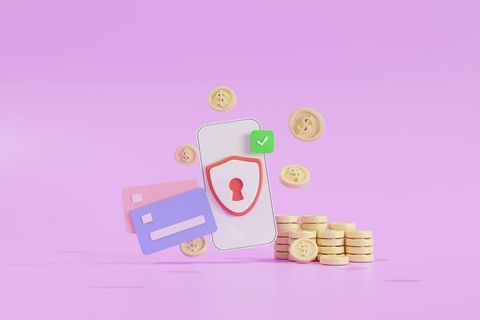
Some common technologies used in online payment protection include:
- Data encryption
- Secure payment gateways
- Multi-factor authentication
- Tokenization
- Fraud monitoring systems
- Secure network protocols
Working as a team, these tools cut down on fake payments while keeping digital money exchanges reliable. One after another, they step in where fraud might slip through, holding steady the confidence people place online.
Online Payment Risks
Most people do not see trouble coming when they pay online. Yet threats hide in common actions, waiting. Some hackers trick users through fake messages instead of breaking systems directly. Others watch silently until details slip out by mistake.
Among everyday dangers are these examples
Phishing Attacks
Out of nowhere, scammers design messages or sites that mimic real ones. These copies aim to pull secrets like login codes or credit numbers from people who trust them too fast.
Malware and Spyware
Computers and phones might get hit by harmful programs that steal private data while you're unaware. When it comes to money tasks like bank logins, certain bad software focuses right there.
Public Wi-Fi Risks
Out in the open, public Wi-Fi often lacks protection. When someone types payment details there, strangers might grab them instead of reaching their intended destination.
Account Takeover Attacks
Inside a hacked account, someone might move money without permission. Stolen login details could let attackers slip into user profiles.
Fake Websites
Some fake online stores copy real ones just to grab your card details. Though they appear nearly identical to genuine pages, spotting them means checking closely. A tiny clue might hide in plain sight.
Security Technologies Protecting Transactions
These days, digital money transfers depend on multiple safeguards working together to keep data safe while payments happen.
Beneath these lines sits a list of familiar ways people guard their data. Each approach appears grouped by how it's typically applied.
Data Encryption
Scrambling data makes it unreadable on the move, keeping messages safe between points.
Multi-Factor Authentication
A second check beyond passwords shows up when logging in, cutting down fake access attempts.
Tokenization
Tokens stand in for private details like credit numbers, shrinking the risk if systems leak info.
Secure Network Protocols
Websites link securely thanks to encrypted tunnels that guard what flows through them.
Fraud Monitoring Systems
Strange patterns get flagged by alert tools watching behavior, spotting odd charges early.
Biometric Verification
Body traits such as face scans or finger marks confirm identity, building a stronger login wall.
Barriers multiply when these tools work together, slowing down anyone trying to reach private data. It becomes harder, not because of one fix but through layers stacking up quietly behind the scenes. Each added step forces intruders to solve another puzzle they weren’t expecting.
Security Features Worth Turning On
Some online money apps let people turn on extra safety features to better guard their accounts.
Multi-Factor Authentication (MFA)
Something extra kicks in when passwords alone aren’t enough. A number shows up on your phone, out of nowhere. Sometimes it’s an app ticking off approval. Other times, fingers or faces do the confirming instead. Each step adds a layer without saying much about why.
Transaction Alerts
Alerts about account movements come instantly through plenty of banks. When something shows up that you did not do, spotting it happens fast because of these messages.
Biometric Verification
Fingerprints or face scans add extra protection where supported. Because they’re harder to copy, biometrics often beat typed codes.
Login Activity Monitoring
Checking your account's recent logins might be possible on certain sites. When you keep an eye out, odd device connections show up faster. Spotting unknown entries gets easier if done often.
Automatic Logout Features
Leaving a device alone can be risky - automatic sign-out cuts down on that danger. How? By shutting things off before someone else jumps in. It kicks in after quiet periods, just enough time to step away without worry. Not every system does this by default, yet it makes a difference when enabled. Moments add up; protection builds quietly behind the scenes.
Staying on top of current safety options now and then keeps defenses more effective down the line. A quick look through what's offered every so often makes a difference later.
Safer Ways to Pay Online
Even though payment services rely on strong safety tools, how people act still plays a big role in lowering threats.
Building Better Account Security Routines
Security begins by handling passwords with care. Not careful? Trouble might follow soon after.
Take a look at these approaches
- Use unique passwords for financial accounts.
- Avoid predictable information such as birthdays.
- Start strong by including both uppercase and lowercase characters alongside digits. A dash or exclamation mark adds complexity instead of just using letters. Mix things up so it is harder to guess through common methods.
- Update passwords periodically.
- Store credentials securely.
Besides keeping things separate, unique passwords reduce risk when a breach happens. A single weak link won’t drag down every account. One slip doesn’t have to mean total collapse. Safety grows when access points stay distinct.
Staying on top of software upgrades matters just as much. Updates from makers and coders often fix hidden flaws found after launch.
Spotting Red Flags in Transactions
Spotting familiar red flags might stop someone walking into a scam.
Pay attention to:
- Unexpected requests for sensitive information
- Poorly written emails or messages
- Unusual website addresses
- Missing security indicators on websites
- Urgent messages demanding immediate action
- Requests for payment through unfamiliar channels
Most real groups make it easy to get in touch, while also setting up ways for you to check things are genuine.
Users should verify information independently when they receive unexpected payment-related requests.
Safe Ways to Pay Every Day
Certain habits can reduce risks during routine online transactions.
Verify Website Security
Look at the website carefully before typing any payment details. A small lock icon might show near the web address. Secure ones often start with HTTPS instead of HTTP. That little sign means extra protection while you type.
Use Trusted Devices
Using a personal device for money tasks might feel risky, yet staying current with updates lowers the danger over time. Security improves when software stays fresh, even on familiar gadgets used daily.
Avoid Shared Computers
Some computers used by many people could save your sign-in details without warning. These machines might also run hidden programs designed to break into accounts.
Review Account Statements
Spotting odd charges early often comes from glancing at your account now and then. When you peek at recent moves, surprises show up faster than expected.
Limit Information Sharing
When you share just what’s needed to complete a transaction, less of your personal details end up floating around the internet.
Sticking to these routines helps keep online payments more secure, while also boosting overall safety measures.
Online Payment Security Trends Shifting
Digital payment technologies continue to evolve as security challenges change.
Several trends are influencing modern payment protection strategies:
Artificial Intelligence Monitoring
Fraud checks happen when AI spots odd transactions by studying how money moves. Unusual behavior gets flagged because pattern recognition kicks in across financial data flows.
Behavioral Authentication
Typing rhythm or how someone uses their phone might get checked by certain tools looking for odd actions. A machine could notice when behavior shifts, just by watching daily routines unfold differently. Patterns of movement across apps sometimes reveal what feels off without saying a word. Watching small details adds up, especially if something stands out over time. Habitual clicks or swipes become clues under quiet observation.
Token-Based Transactions
Still moving forward, tokenization now shows up more on payment systems since real card data travels less often. Instead of sending sensitive numbers, a scrambled version takes its place during transactions.
Advanced Biometric Verification
Besides boosting security, newer biometric tools cut down how much we rely on old-style passwords. Still, they open up more ways to confirm who you are without typing anything.
Enhanced Mobile Security
Fingerprints unlock some phones before payments go through. Chips inside devices guard data during transactions instead of old-style passwords.
Faster shifts toward digital payments mean safety tools will likely evolve, weaving tightly into routine money tasks through smarter design. While convenience drives change, hidden upgrades in protection follow close behind in step with usage. Everyday transactions may soon feel different because safeguards adapt without calling attention to themselves. New methods emerge quietly as habits shift online across devices people already rely on daily.
Conclusion
Most times, safety in online payments comes down to tools, choices, and how people act. Phishing attacks or fake sites pop up more than ever - knowing what hides behind links matters. Instead of just passwords, layers like fingerprints, scrambled data, or second-step checks block sneaky access. Staying sharp about scams pairs well with using strong safeguards built into apps and banks. When users pay attention, systems work better at keeping money details out of reach.