Secure Authentication Methods Overview: Basics, Types, and Key Facts
Most systems now see regular passwords as too weak on their own. Guessing attempts pop up often, people reuse login details across sites, while scams and harmful software pull credentials straight from devices. Because of this, more companies and individuals look into using texts for second-step checks, ways to log in without any password at all, even tools like Duo that add extra layers before granting access.
This piece covers what authentication means, walks through usual methods, shows how each one works along with where it falls short, while sharing useful details so people grasp today’s online safety approaches more clearly.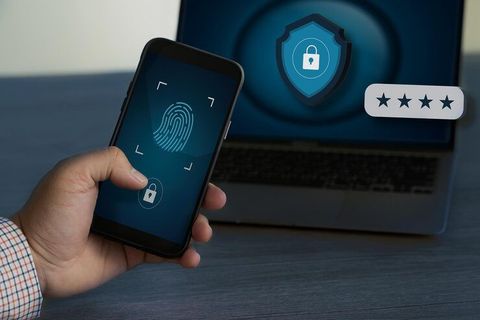
Secure Ways to Confirm Identity
Who really gets into a system? That question drives authentication, which checks if someone has permission. Verification methods stack up here - some use one check, others several.
Besides something you know, there's also something you have. Another kind entirely involves what you are. Each type stands apart from the others
- Something you know: passwords or PINs
- Phones sit in pockets. These gadgets prove who you are. Some people carry special cards that plug in. Others use small tools made just for access. Each one acts like a key. Not everyone picks the same device. What matters is having something real in hand
- Something you are: fingerprints, facial recognition, or voice patterns
When several layers work at once, security gets tougher since breaking in means beating more than a single code.
Common Types of Authentication Methods
Authentication Method. User enters password. Websites and apps. Moderate. SMS Two Factor Authentication. Code sent through text message. Banking and social media. Moderate. Authenticator Apps. Temporary codes generated in app. Enterprise and personal accounts. High. Biometric Authentication. Fingerprint or face scan. Smartphones and secure systems. High. Hardware Security Keys. Physical key verifies login. Corporate and sensitive systems. Very High. Passwordless Authentication Methods. Login without traditional password. Modern enterprise platforms. High.
Fences built many ways stack together when today's setups mix different tricks for stronger shields.
Passwords Without Extra Protection Can Be Weak
Still hanging around, passwords face plenty of problems. Lots of people pick ones that are too simple or repeat them everywhere they sign up. When a breach happens, hackers try those same login details elsewhere. One broken lock opens many doors.
Some hackers send trick messages, set up copycat sites, or spread harmful code to steal passwords. For this reason more companies now push for extra verification steps instead of just codes you type.
Multi Factor Authentication and Verification Systems
After typing your password, another check kicks in with multi-factor authentication. When that happens, it becomes tougher for others to break in - especially if they’ve grabbed your login details somehow.
Some sites let you lock your account tighter by using a password along with a code from your phone. A few apps send login confirmations straight to your device instead of just asking for letters and numbers. Logging in often means typing something you know plus checking something you have nearby. Several services now require both a secret phrase and an alert on your handheld gadget. Accessing accounts might involve entering familiar words while also approving through software made for verifying identity.
SMS Two Factor Authentication Explained
A text message often carries the next step after someone types their password. This kind of login check relies on a code sent by SMS. Most people have tried it at least once when confirming who they are online. Instead of just knowing something, like a secret word, now you must also have access to a device. The number appears briefly and works only once, arriving right away through regular messaging. Some systems prefer this way because nearly everyone owns a phone that can receive these alerts.
This is how it usually goes:
- User enters username and password
- System sends a one-time code by SMS
- User enters the code
- If the code matches, access gets granted
Besides just typing a code, getting into an account now means someone must have the phone too. Without the physical gadget in hand, breaking in gets much tougher for intruders. Even if they guess the password, progress stops without that extra piece nearby. The barrier goes up simply by adding another object into the mix. Not having the device blocks most attempts cold.
Still, using SMS for two-step verification comes with some drawbacks
- Messages could be rerouted during SIM swap incidents
- Messages might take longer to arrive sometimes
- Text messages may sometimes be intercepted
- Mobile network access is required
Even with its flaws, people still lean on SMS checks just because they’re straightforward, something most folks already know how to handle.
Duo Authentication Methods and Verification Options
Most people link Duo logins to setups offering more than one way to confirm identity. Usually, companies turn to these tools. Schools rely on them too. So do teams spread across different locations.
Some common duo multi factor authentication options include:
- Push notifications sent to a trusted device
- SMS verification codes
- Authentication apps generating temporary passcodes
- Biometric login confirmation
- Hardware security key support
Text message checks in login steps? That’s what Duo SMS authentication means. Messages show up on phones when someone tries to sign in. Each code arrives by SMS during setup or access attempts. Phones get these texts instead of emails or app alerts sometimes. Verification happens once the user types in the number they received. These codes help confirm it is really them trying to log in. Not every system uses this method, but some rely on it heavily.
From inside an app, permission flows out when someone tries logging in. That’s how push-based checks now handle access without code entry. A tap replaces typing. Mobile approvals make the step quicker. Instead of keys or digits, actions move through alerts. Each sign-in gets confirmed by choice. No extra steps sit between user and device.
Multi Factor Authentication Adds Extra Security
MFA setups bring a handful of solid safety perks
- Reduced risk from stolen passwords
- Additional protection against phishing attacks
- Improved account security for remote access
- Better protection for sensitive information
- Increased security for business systems
These days, plenty of companies insist on multi-factor authentication for staff logins - working from home plus online platforms has opened more doors to digital risks.
Passwordless Authentication Methods and Emerging Trends
Beyond passwords, new ways to log in are spreading fast among companies searching for better options. Instead of old-style keys, these tools make access easier without losing safety. A shift unfolds quietly - security grows stronger even as steps to enter shrink.
Biometrics step in where passwords once ruled, offering a different kind of login check. Sometimes it is your phone that confirms who you are, recognized by the system itself. Security keys show up as small physical helpers instead of typed codes. These tools work separately yet fit together, quietly replacing old access habits.
Passwordless Authentication Explained Simply
Fingerprints unlock access instead of codes. A smartphone might recognize its owner's face. Some systems send approval requests to a saved tablet. Logging in could mean tapping yes on an app. Trusted gadgets confirm identity without typing anything. Facial scans replace old password habits. Devices already owned do the verification work
- Fingerprint recognition
- Facial recognition
- Device-based approval
- Hardware security keys
- One-time login links
- Authentication applications
A single touch of a finger might open an app instead of typing letters. Face recognition does the job just as easily on many phones today. Unlocking shifts from keys to features built into the device itself.
With nothing to steal, security shifts when passwords vanish. Instead of typing a code, access flows through methods that leave no trace behind. Since keys replace phrases, hackers find fewer openings. Without stored credentials, break-ins lose their usual path. This way, entry stays protected by what you have, not what you know.
Passwordless Authentication Benefits
Passwordless systems offer several potential benefits:
- Reduced password fatigue
- Fewer chances someone grabs your login details
- Faster login experiences
- Fewer times users ask to change passwords
- Improved convenience for users
Fingerprints or face scans help people log in without passwords on lots of current devices. These methods rely on hardware already inside phones and computers. Some systems skip codes entirely by trusting the user's gadget instead. Security stays strong because access ties directly to a physical object. Logging in this way feels smooth when everything works behind the scenes.
Challenges and Considerations
Even so, doing away with passwords brings benefits along with hurdles. Yet every fix seems to open another door of trouble.
Should something happen to a phone, getting back in might turn into a hassle. Not everyone feels at ease handing over fingerprints or facial scans either.
When companies drop passwords, they still need a way back in case users get locked out. A fallback plan keeps accounts reachable without the usual login steps. Without one, people might stay stuck forever. Getting back in should not depend on what was replaced. Even new systems require older paths sometimes. Access needs more than just the latest method. Forgotten ways matter when current ones fail.
Comparing Authentication Approaches
Password Based Login Multi Factor Authentication Passwordless Authentication Requires Password Yes Yes No Uses Multiple Verification Steps No Yes Sometimes Vulnerable to Password Theft High Lower Very Low User Convenience Moderate Moderate High Common in Modern Systems Yes Yes Increasing
Slowly, more setups shift because trust needs tighter checks these days.
Secure ways to protect your login
When people pair login protections with careful online behavior, things tend to work better. Staying safer online happens through consistent actions, not just software alone.
Strong unique passwords
Though you turn on extra login checks, picking tough codes still matters. A solid code usually mixes up letters, numbers, symbols - like stacking layers without glue. Length helps too; longer strings slow down guessers. Uncommon words beat common ones every time. Surprise beats routine when machines hunt patterns
- A mix of letters, numbers, and symbols
- Longer character lengths
- Unique combinations for each account
Most people rely on password tools when sorting out their online accounts. These apps keep usernames and codes locked away safely. Often they take the hassle out of remembering where details went. Safety comes first with encrypted storage inside them. Many find it easier than using notebooks or spreadsheets.
Watch Out for Fake Emails Trying to Steal Your Info
Out of nowhere, strange emails might ask for your password or code. Spot them by odd clues like mismatched links. Sometimes the message feels off - urgent, maybe too friendly. Look closely at sender addresses; they often hide mistakes. Another hint: real companies won’t beg you to act now. Odd spelling shows up more than expected. Hovering over a link can reveal its true destination. Trust that gut feeling when something seems wrong. Not every alert is loud - some whisper through tiny details
- Suspicious website addresses
- Urgent or alarming messages
- Getting messages asking for confirmation digits
- Unexpected login alerts
Users should verify websites carefully before entering account information.
Keep Devices Updated
Most software patches include critical fixes that guard against threats. Updates for phones, system platforms, or login tools lower weak spots when applied quickly. A gap in patching might open doors hackers exploit without notice.
Security updates may include:
- Bug fixes
- Encryption improvements
- Protection against newly discovered threats
- Improved authentication stability
Monitor Login Activity
Checking where you’ve logged in lately shows up on lots of services. Spotting odd sign-ins often happens when you look at active gadgets. Unfamiliar logins sometimes stand out just by glancing at recent visits. Watching these details tends to catch stray access before it spreads.
From time to time, take a look at how you can regain access if something goes wrong. Check your alternate login choices now and then - just to be sure they still work.
Understand Recovery Options
Most solid login setups come with safe ways to regain access. Ways to get back in could include:
- Backup codes
- Trusted devices
- Secondary email verification
- Identity confirmation processes
When devices unlock accounts without passwords, getting back in needs careful thought. What happens if that gadget is lost becomes critical to plan for ahead of time.
Conclusion
These days, logging in safely means going beyond just a password. Text message codes now step in where old logins fall short. Some setups bring in tools like Duo to add extra checks during sign-in. Others skip passwords entirely, relying on new ways to confirm identity. Each method builds another wall against unauthorized access.
Security gets stronger when systems ask for multiple proofs of who you are, since just passwords leave doors open to scams and stolen data. One method might suit your phone better another fits work computers best some balance ease with safety differently. What works smoothly today could shift tomorrow based on how tech changes what users need.
Start smart when it comes to logging in - knowing how checks work keeps data out of reach. Proof steps matter more than most think, shaping whether details stay private. Simple habits shift outcomes, steering clear of common traps online. Choices around access grow clearer once the groundwork is understood. Staying alert helps avoid slips that expose personal material.