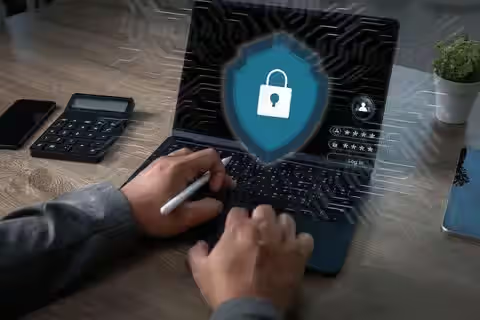
Password Protection Insights: Expert Guide and Professional Recommendations
This guide breaks down how passwords keep things safe, what makes them important, yet shows ways people often overlook when guarding online accounts. It tries something different - offering straightforward ideas you can grasp quickly while fitting into routine moments without effort.
How Passwords Work and Why They Matter
Hidden codes lock down gadgets and online spots, known just by you. These keys prove it is really you trying to get in. Without them, strangers cannot reach private details. A barrier forms when others try to sneak through.
Not every jumble of letters makes a solid password. Built with purpose, it stands up to bots, guesses, even leaks. Flimsy ones fall apart fast when today's software takes a shot.
Password Security Importance
Passwords protect a wide range of personal and professional information, including:
- Messages sent through email systems along with account details form part of digital correspondence records
- Banking and financial details
- Social media profiles
- Work-related platforms and documents
When one password gets exposed, hackers can slip into linked profiles. That risk grows sharply if identical credentials show up on more than one site.
Weak passwords can lead to account breaches data theft unauthorized access and identity fraud
Among the usual dangers you might face are these
- Brute-force attacks: Automated systems attempt multiple combinations rapidly
- Phishing attacks: Users are tricked into revealing passwords through fake messages
- Credential stuffing: Stolen passwords are reused across multiple platforms
- Data breaches: Large databases of login information are exposed
Understanding these risks highlights the importance of adopting better password practices.
Strong Password Basics
A solid password isn’t just about tossing in strange symbols. What matters is walking the line - making it tricky to guess but still something you can recall.
Strong Password Features
A secure password typically includes:
- A mix of uppercase and lowercase letters
- Numbers and special characters
- At least one measure long
- No obvious personal information (such as names or birthdates)
Example Comparison Table
Password Strength Examples Weak 123456 Very Low Easy to guess Moderate Rahul123 Low Personal detail used Strong R@h!7uL92kL High Complex mix of characters Passphrase Blue!River@Sky42 Very High Long and memorable
Passphrases Instead of Passwords
Most times, passphrases stretch out further than usual passwords - mixing words with odd signs. These strings stick better in memory even though they stay tough to crack. Think about linking random terms using punctuation marks instead of spaces or letters alone. A mix like that holds up well under pressure without confusing its owner.
Common Password Management Challenges
Though good passwords matter, keeping track of them on many sites gets tricky.
Password Reuse Issues
A single reused password opens doors wider than intended. When one login fails secure, others follow close behind.
Struggling to recall complicated passwords
With more logins piling up, keeping track of different codes feels harder every month. So people start using easier ones, or jot them down where they shouldn’t.
How People Create Security Risks
Still knowing better, some jot down passwords or tell them to friends. Safety slips when ease comes first, opening doors to preventable trouble.
Simple Ways to Keep Passwords Safer
Most people think strong passwords need tech skills - nope. Tweak a few things here, risk drops fast there. A little shift goes miles when done right.
Using Password Managers
One thing about password managers - they keep login details safe while sorting them neatly. Because these tools exist, coming up with different passwords for every site doesn’t mean memorizing a long list.
Turn On Two Step Verification
One extra check, like a code to your phone, makes breaking in much harder. Should someone steal your password, they still hit a wall without that second piece. Security gets stronger when steps multiply beyond just typing letters.
Regular Updates and Monitoring
Every now and then switching your password lowers chances of lasting breaches. Spotting odd actions fast becomes easier when you keep an eye on how accounts are used.
Avoid Predictable Patterns
Passwords should not follow predictable formats such as:
- Sequential numbers (e.g., 123456)
- Repeated characters (e.g., aaa111)
- Everyday expressions people often say
Secure Storage Practices
Storing passwords openly on gadgets? Bad idea. Sending them over shaky connections? Not smart either. Safety gets a boost when encryption guards the data. Hidden details stay safer than exposed ones.
Advanced Topics and New Developments
Still changing, password security moves forward with tech improvements. To fix old issues, fresh methods now replace standard codes.
Biometric Authentication
Fingerprints or face scans show up everywhere now. Because they use body traits you cannot forget. Instead of passwords that slip minds, these check features built into people.
Passwordless Authentication
One way some platforms now work is by skipping passwords entirely - relying instead on single-use codes or checks tied directly to a user's gadget. That shift means old-style passcodes matter less every day.
Artificial Intelligence in Security
From odd login times to strange locations - signs pop up where machines learn to spot them. When something feels off, responses happen faster than waiting for a person.
Limits of Today’s Fixes
Even when tech gets smarter, problems stick around. Take fingerprints - once leaked, you cannot swap them out like a lock. In much the same way, logging in without passwords only works if your gadget stays safe.
Tips and Key Recommendations for Everyday Users
Sticking to solid password routines means doing things regularly. These steps might lower your chances of trouble:
- Create unique passwords for each account
- Use passphrases for better memorability
- Enable multi-factor authentication whenever possible
- Avoid sharing passwords, even with trusted individuals
- Regularly review account activity
- Update passwords if a data breach is suspected
Simple Daily Practices
- Log out from shared devices after use
- Avoid saving passwords on public computers
- Be cautious of unexpected login alerts
- Verify the authenticity of websites before entering credentials
Recognizing Warning Signs
- Unexpected password reset requests
- Unknown login locations or devices
- Changes to account settings without permission
Spotting these signals fast might stop bigger problems later. Early detection could make a difference down the line.
Conclusion
Staying safe online often starts with something basic: a password. Using different strong codes for each account - alongside extra safeguards - helps keep intruders out. Awareness of typical dangers leads to smarter choices when handling logins. New tech brings changes, yet one thing holds true - the daily routines people follow shape how well data stays protected.