VPN Security Basics Overview: Concepts, Benefits, and Key Fact
Most people want safer browsing, so knowing how VPN security works matters. Hidden behind encryption, your device talks to the web through a protected tunnel instead of open air. This shield often stops outsiders from grabbing what you send or receive online. Many folks rely on these tools daily - some at home, others at work - for stronger digital boundaries. Yet every setup has weak spots even if it feels solid most days.
This piece breaks down the way a virtual private network functions, along with everyday security ideas people often miss. One thing to notice - how it helps in real situations shows up more than theory ever does. What you gain by using such tools becomes clearer when looking at actual usage, not just promises. Hidden details matter most once someone begins relying on the service daily.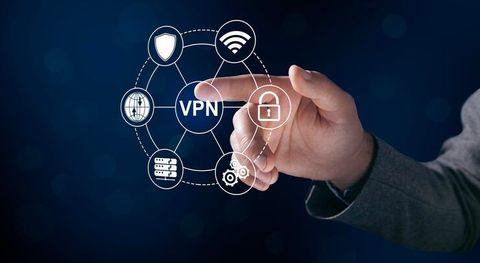
What You Need to Know About VPN Safety
Hidden behind layers of digital pathways, a VPN builds a personal tunnel across the open web. Rather than flowing straight from machine to destination, information detours through an encrypted relay point. That shift cloaks details people might otherwise see. It wraps browsing habits in shadow, making them harder to trace.
Most of the time, a VPN stays safe because it uses scrambling methods alongside trusted connection rules. Scrambling turns clear messages into hidden code - something outsiders can’t easily make sense of. Especially helpful while logging on at transit hubs, coffee spots, lodging places, or similar open zones.
Below is a simple overview of common VPN components:
What encryption does is keep information safe through scrambling. Through a protected channel, the VPN server sends your online activity. Who you are gets confirmed by authentication before access begins. A tunneling protocol sets up the hidden route data moves within. Hiding where someone actually is happens via IP address masking.
Most people run VPNs on phones, laptops, tablets, or desktop machines. A few homes set them up through the router instead - protecting every device together that way.
VPN encryption helps protect online privacy
Most people miss how vital scrambling data really is when using a VPN. As soon as your device sends something, it gets jumbled into nonsense. That mess travels across networks where eavesdroppers see nothing useful. The only machines that make sense of it are the exit point and the final receiver. Without their keys, everything stays locked.
This way might lower the chance of problems like these:
- Data interception on public networks
- Exposure of login credentials
- Unauthorized monitoring of browsing activity
- Some hackers go after links that lack protection
Security setups inside various VPNs often rely on distinct rules along with ciphers. Protocols like OpenVPN show up a lot, just as WireGuard does, alongside IKEv2. Each one tries to mix strong protection together with fast links plus broad device support.
Most folks forget - encrypting info helps only while it moves from one place to another. Even so, bad software might sneak in without warning. Fake login pages often trick people despite secure tunnels running. Harmful files? They still slip through if clicked by mistake. A shielded connection won’t stop every digital hazard waiting quietly.
Common Uses of VPN Technology
Out in the world, people tap into VPNs whether at home or work. When folks log in remotely, a secure tunnel opens up - linking them safely to internal business tools. Jump across countries, connect through cafes, hotels, even public Wi-Fi spots - individuals lean on these links for safer browsing. Distance means nothing; protection stays active wherever they go.
Some common situations where VPNs are used include:
- Accessing work platforms remotely
- Securing internet activity on public Wi-Fi
- Reducing exposure to network monitoring
- Protecting sensitive communications
- Supporting safer browsing habits during travel
When schools talk about online safety, they often bring up VPNs along with lessons on staying smart about technology. Sometimes these conversations fit into bigger talks about how to navigate the internet responsibly. A number of classrooms include such topics when teaching students what risks look like online. Learning about tools like VPNs becomes one piece among many in understanding digital habits. These discussions tend to appear where kids are learning not just subjects but life skills too.
VPN Security Key Benefits and Limitations
A single layer of protection arrives through VPNs, yet blind trust leads nowhere. Some risks fade when connections shift, although gaps remain wide open. Clear eyes matter most since promises often crumble fast.
Using a VPN Can Improve Privacy and Security Online
Hidden away from view, a person's online trail becomes harder to follow. Because locations get blurred through digital rerouting, certain trackers lose their grip on behavior clues.
Among the extra perks might be:
- Security got stronger when linking from far away
- Encrypted communication over public networks
- Only nearby network handlers see less of what happens online
- Support for safer file transfers
- Better protection for sensitive data while traveling
When staff work remotely, a virtual private network helps keep company data safer. Not just useful for big offices - teams spread across locations rely on it too. Connection through such networks means accessing files without higher risk. Even those logging in from personal spaces get stronger protection this way.
What also matters is how well it works on different gadgets. Most VPN apps run on various platforms, so your phone, tablet, and laptop can stay in sync when shielding data.
Limits and Confusions Around VPNs
True, a VPN can make your link safer. Yet that doesn’t block every digital risk. Many think it hides them completely online. Actually, staying secure involves more than just one tool. Protection comes from several layers working together.
VPNs do not automatically:
- Prevent phishing scams
- Remove viruses from devices
- Stop unsafe downloads
- Protect weak passwords
- Eliminate all tracking methods
Slower browsing might pop up when data takes a longer path through remote servers. Streaming hiccups? That could tie back to how far the signal travels before reaching you. Encryption type plays its part too, shaping how fast things move. Network congestion at peak times adds another layer of delay. Traffic rerouting via extra checkpoints often means reduced momentum online.
It might surprise you - each VPN handles personal data differently. Knowing what a provider does with your details often comes down to reading past the headlines. Some reveal their methods clearly; others leave gaps on purpose. Clarity shows up only when comparing line by line. A decision built on facts usually beats one made in confusion.
Public Wi-Fi with VPN protection
Most people like public Wi-Fi because it's handy. Yet danger hides behind that ease - especially when sipping coffee or waiting at a gate. Places such as hotels, terminals, or cafés often run connections without locks. Someone nearby might watch what you do online unless safeguards stand in the way.
When a device connects to a VPN server, its link gets locked down. That barrier slows snoopers lurking on shared networks. Data moving back and forth becomes harder to grab midstream.
Examples of information that may benefit from encrypted connections include:
- Email logins
- Banking sessions
- Personal messages
- Cloud storage access
- Work-related documents
Staying cautious online matters just as much when using a VPN. Clicking on strange links? Better to look away. Odd sites pop up - step back instead of diving in. Downloads from places you do not know? Let those go. Safe routines protect more than tools alone ever could.
Essential VPN security features and everyday tips
Most people find it easier to see why privacy tools matter once they learn what typical functions a network includes. How those pieces work together often reveals the real goal behind digital protection methods.
Important Security Features
Some virtual private network apps come packed with extra safety features besides just scrambling data.
Features people talk about often come up in conversation like these ones
When the VPN stops working, your internet cuts off automatically. Logging in takes one more check before granting entry. Browsing data stays blocked from leaking outside the secure tunnel. Some apps go around the encrypted path while others stay inside it. New networks trigger the secure link without needing a prompt.
If the protected link drops, a sudden gap could leave data out in the open. That cutoff point matters most when protection slips away right after a glitch hits.
A shield against DNS leaks can make a real difference. When your device looks up a website, that request should stay hidden - yet without protection, it might slip out beyond the secure VPN path.
Tips for Using VPNs More Effectively
Most of the time, a VPN works better if it's part of wider safety routines online. On its own, even an encrypted link won’t fix risky actions.
Helpful practices include:
- Using strong and unique passwords
- Updating software regularly
- Avoiding suspicious email attachments
- Enabling multi-factor authentication when available
- Reviewing application permissions carefully
Watch your devices closely. Old software on phones or laptops can still leave gaps open, despite using a secure tunnel. A shielded connection does not fix weak foundations.
Besides routine checks, confirming your VPN runs properly matters just before logging into private profiles. A few programs flash small signs or pop up alerts once data gets encrypted.
VPNs and Being Aware Online
Out in the open, talks about VPNs tie into wider thoughts on keeping personal info private online. With web services growing nonstop, folks now notice more clearly how information moves through connections - also who might be watching what they do.
Understanding VPN Security Basics
- Data privacy concepts
- Secure communication methods
- Risks associated with public internet access
- Common cybersecurity terminology
- Digital safety practices
Most people do not realize how online safety depends on habits along with software, not just one fix. What matters is understanding that protection grows from choices, tools working together, plus consistent actions users take every day.
Conclusion
Hidden pathways on the web start when a person uses special software to shield their connection. Protection grows stronger because scrambled signals block outside eyes from seeing personal actions. Instead of leaving information out in the open, systems wrap it tightly before sending across networks. Some people rely on these tools mainly while working far from office buildings. Public hotspots become less risky once digital traffic gets rerouted through guarded channels. Servers located elsewhere help mask true locations without making promises of full invisibility. Every session benefits quietly from layers built into how data moves between devices. Safety does not come guaranteed yet chances drop when shields stay active. Features meant to guard identity often include automatic cutoffs if protection fails suddenly. Remote tasks feel smoother knowing files travel protected from leaks along the way. Even casual browsing gains quiet strength behind background defenses most forget exist. These methods do not fix everything but they handle key gaps others leave untouched.
Even so, a VPN alone won’t block every online risk. Staying cautious while surfing helps just as much as keeping apps fresh and passwords tough. Grasping how these tools work - what they fix and where they fall short - shows people their true place in staying safe today. What matters is knowing the full picture.