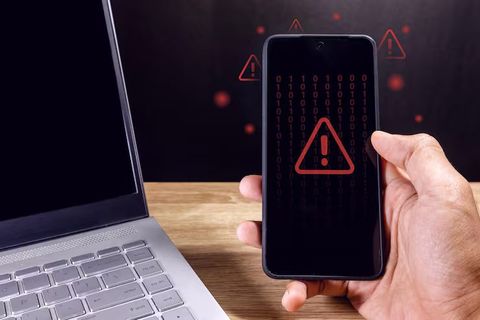
Voice Phishing (Vishing) Awareness Overview: Basics, Risks, and Key Facts
Most folks know about scam emails, yet voice calls often seem real due to live talk. Pressure builds when scammers shout deadlines, spoof numbers, or play robotic warnings. Spotting their tricks isn’t hard once you notice odd urgency creeping into a call. Fake names on your phone screen? That’s another red flag tied to deception. Learning the pattern helps stop stolen identities before damage spreads.
Voice Phishing Explained
Out of "voice" and "phishing," vishing is built. Pretending to be someone trustworthy - that's what phishing means when it comes to digital safety. Voice channels carry this trick now. Calls show up not just on phones but also as messages left behind, even through apps that let people talk online.
A person might trick you by phone just to get details like:
- Banking details
- Secret words or number combos
- Credit card numbers
- Personal identification data
- Account login credentials
Sometimes it starts with a story designed to feel real. A person might get tricked because they care or worry too much. Emotions like panic or excitement open doors hackers cannot break through. These moves skip computers entirely. Pressure builds fast when messages scream about problems only you can fix. Curiosity pulls someone toward something odd but interesting. Trust gets twisted by voices pretending to know you. Fear makes choices quick instead of smart. Criminals watch how people react under stress. They wait for slips caused by instinct, not logic. Decisions happen faster when feelings take control. The weakest part is rarely the machine. It is what we feel that gives them access.
Common Voice Phishing Examples
Not every voice phishing attempt sounds the same - it shifts based on who's being targeted. Automated messages pop up sometimes, though often it’s an actual person talking live to someone caught off guard.
Here are several common examples of vishing attacks:
Someone pretends to be your bank, saying odd transactions appeared - this tries to pull out login codes. A voice on the phone acts like a government worker, insisting penalties are due - aimed at rushing cash transfers. An offer of tech help pops up, warning about broken devices - it opens paths to control your machine. Messages arrive pretending packages need fees checked - designed to grab credit numbers fast. News arrives that you’ve earned a prize out of nowhere - just another hook for private data.
Out of nowhere, fake numbers pop up on your screen thanks to sneaky tech. Because of this trick, scam calls seem real enough that people often pick up. A familiar-looking number shows up - next thing you know, a fraudster is talking. These disguised digits play on trust, making it easier for lies to slip through. Instead of hanging up fast, folks stay on the line just long enough to get caught.
Vishing Meaning in Cyber Security
Spoken scams take center stage when people talk about vishing in security talks. Unlike email tricks or fake web pages, this threat rides on phone calls instead. A voice - real or recorded - becomes the tool, pulling at trust through conversation rather than text. What looks like a routine call might hide an attempt to grab sensitive details. The method swaps clicks for chatter, swapping screens with sound.
Vishing lands on people’s nerves, not systems - experts slot it under social engineering for that reason. Stories about bank troubles or missing parcels? Those stick because crooks dig into everyday worries first. Realism grows when fear fits familiar patterns.
These days, tech changes have widened how crooks pull off voice scams. Calling through the web, using smart-sounding computer voices, or sending out robotic messages lets fraudsters reach many folks fast. Because of that, training efforts now often cover spotting odd phone calls and keeping private details safe.
Differences Between Phishing Vishing and Smishing
Most folks come across phishing, vishing, and smishing at some point - these dangers share common ground. Yet one relies on email, another on phone calls, while the third slips through texts.
A scam arrives by email pretending to be your bank. Someone might call you instead, saying they’re tech support. Messages sent by text try to get you to tap harmful links. Fraud uses websites that look real but steal info. Calls with urgent voices want your personal details. Texts appear harmless yet lead to data theft. An inbox gets filled with notes from fakes posing as companies. Voicemails warn of problems that do not exist. Links in short texts open dangerous pages. Fake alerts come through channels trusted every day.
Out of sight, a trio of tricks - phishing, vishing, smishing - pops up often when teaching digital safety. Even if they arrive by email, call, or text, each one pushes toward the same outcome. Someone gets tricked into sharing private details. Or worse, doing something risky without realizing it.
When people spot the contrasts, it opens space to pause before replying to odd messages, no matter the gadget or app. A shift in awareness changes how quickly someone might hit send after a surprise alert pops up somewhere. Seeing distinctions guides reactions, especially when alerts arrive through unfamiliar channels. Reactions slow down just enough when the details stand out clearly. The way alerts travel matters once patterns start showing between tools and screens.
Why Vishing Attacks Work
Voices tend to push harder on emotions compared to written words. A sense of trust might rise when someone speaks smoothly, even if it's a stranger. Pressure builds fast when tones shift - suddenly serious or rushed. Decisions made under such moments often skip careful thought. Calm speech sometimes hides sharp intent behind each syllable.
Several factors contribute to the effectiveness of voice phishing:
- Most folks believe a voice on the line more than words in an inbox.
- Beware how some fake messages sound serious. Official words can hide lies behind them.
- When someone phones, a quick reply often feels expected right away.
- Some people caught up in events might find it hard to check facts right away.
- Caller ID spoofing can imitate trusted organizations.
Pressing a number might lead you into a call that wasn’t what it seemed. A recorded message could hand your attention over to someone claiming they’re from your bank or tech help.
Scared? That’s often what fraudsters want - they shout about locked accounts, strange charges, or court trouble. When panic hits, clear thought slips away, making it easier to hand over personal details.
Common Warning Signs of Voice Phishing
Watch out for odd actions during phone talks - it hints at vishing tricks. Scams differ now and then, yet certain red flags pop up again and again.
Common red flags include:
- Requests for passwords or security codes over the phone
- Pressure to act immediately
- Threats involving fines, arrests, or account closure
- Unexpected calls about financial activity
- Requests for payment using unusual methods
- Poor call quality or robotic voice systems
- Requests to keep the conversation secret
Most real companies won’t demand private details out of nowhere over the phone. When something seems off or too fast, hanging up could save trouble later - checking things your own way works better.
Risks and Effects of Voice Phishing
One wrong call might drain bank balances. Identity theft often follows close behind. Accounts sometimes get hijacked without warning. Nerves fray under pressure from scams. Privacy troubles tend to linger much longer than expected.
Some common risks include:
- Unauthorized financial transactions
- Stolen personal identity information
- Access to online accounts
- Malware installation through related scams
- Exposure of workplace or company data
One way trouble shows up? Voice scams targeting company staff. Calls that seem real might trick workers into revealing passwords or private data. Because of these risks, some teams now teach vishing spotting during security lessons.
Some older people might get caught more easily. Online buyers who shop often could be at risk too. People new to internet tricks tend to stand out. A phone user anywhere might suddenly find themselves in trouble. It just takes one call.
Simple Ways to Stay Alert When Using Your Phone
Surprisingly, knowing how voice scams work means looking at tech flaws alongside how people react. Even though nothing wipes out danger entirely, staying alert helps lower chances of falling for fake calls.
Helpful awareness practices include:
- Avoid sharing personal details during unexpected calls.
- Verify requests using official contact information.
- Caller ID might lie. Think twice before believing it.
- Be cautious with urgent or threatening language.
- Review financial statements regularly.
- Use multi-factor authentication when available.
- Discuss scam awareness with family members.
Take a breath when faced with urgent messages that tug at emotions. These moments slow down the rush they bank on instead of checks.
Folks at home or on the job might set up basic checks when handling delicate matters. One way to do this? Repeating details using another channel prior to moving forward.
Technology Shifts How Vishing Attacks Evolve
Nowadays machines shape the way fake call scams unfold. Because of web-powered calling gadgets, scammers reach dozens in minutes. Speed comes from software that dials nonstop. These setups run on networks beyond regular phones. Calls pop up faster than most can hang up. Tools hosted online make spreading lies easier. Fake voices sometimes answer when someone replies. Systems reroute numbers so tracing gets messy. Criminals hide while pressing buttons somewhere else. Each ring might begin with a recorded name.
Out of nowhere, artificial intelligence brings fresh worries alongside its advances. Sometimes, computer-made voices sound just like people you know. Even though these systems serve real purposes, deception creeps in when used wrongly. Fraud finds a new path through fake audio that feels oddly convincing.
Still digging into odd call behaviors, cybersecurity pros aim to slow down scams. Working alongside them, phone companies pair with banks while tech watchdogs tweak tools meant to catch sneaky transactions.
Even with those steps taken, staying informed matters since plenty of scams thrive through conversation instead of just system flaws.
Conclusion
Phone scams trick people by voice calls pretending to be trustworthy sources. Instead of complex tools, they push feelings like fear or hurry to get personal details. While phishing happens online, vishing works through spoken words over calls. Smishing arrives as texts, yet all three aim to confuse and steal data. Spotting how these tricks connect helps block them faster. Not every call asking for info deserves an answer.
Most people ignore how often fake phone calls trick others. Picture someone pretending to be tech support - it happens more than you think. These scams shift when new tools appear online. One day a call sounds urgent; next week it feels official, then friendly. Recognizing the pattern helps, even if voices seem real. Sometimes silence is smarter than answering fast. New tricks arrive quietly, hiding behind familiar names. Being alert matters just as much at home as at work. Knowledge sticks around longer than fear does.