Security Operations Basics: A Complete Guide with Tips, Facts, and Expert Insights
Most people overlook what happens behind the scenes when threats appear. Yet knowing the core ideas behind security work makes it easier to see how companies stay alert. Planning steps come together with live monitoring, smart tools, team coordination, plus practiced actions - all aimed at cutting down danger fast. What follows lays out key pieces: basic structure, routine methods, real habits teams follow, along with details often missed. Ideas unfold without jargon, built for clarity from start to finish.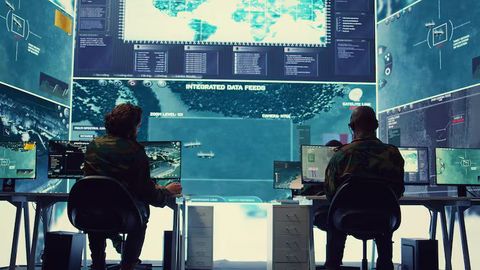
Security Operations Fundamentals
Day by day, efforts to spot problems, block threats, react when needed, and keep control make up what people call security work. Sometimes walls and locks matter most; other times it is software defenses - often both show up together. A separate group inside many companies watches screens, follows alerts, steps in during crises.
Most days, keeping things safe means making sure nothing breaks down. People moving through the building stay protected along with what they use every day. When something feels off, those trained watch closely and act without waiting. Procedures guide each step so reactions never drift too far. Digital files sit just as guarded as door locks and hallways.
A security operations process usually includes the following areas:
- Monitoring environments and systems
- Identifying unusual activity
- Responding to incidents
- Investigating security events
- Reporting and documenting findings
- Improving procedures over time
Out there where guards watch hallways, eyes meet camera lenses. Software hums in the background, spotting odd patterns without a shout. Alarms spark attention when doors open at strange hours. Access logs pile up, quietly telling who went where. On screens deep inside networks, alerts pop - no waiting. Data shifts are traced by programs that never blink. These layers stack, one after another, building quiet awareness.
Common Areas of Security Operations
Buildings stay safe through physical measures like guards who watch entrances, while cameras record activity around the clock. Digital spaces rely on constant threat tracking plus tools that catch harmful software before it spreads. When danger strikes, clear steps guide actions - practicing exits ensures quick movement, just as restoring servers brings tech back online. Weak spots get identified by reviewing routines, then fixing gaps found during inspections done regularly. Only allowed individuals enter certain zones using keys that match their role, whether typed codes, special cards, or fingerprint scans confirm access
Some groups pick just one area to work on others tackle a few at once it really hinges on how big they are what field they’re in.
Security Operations Importance
When things run smoothly, security helps keep it that way. A tiny flaw might grow worse without fast attention. Picture someone entering a restricted area - no clearance - and how that unsettles everyone. Or an odd message appearing in company emails, left unchecked. Each moment delayed raises risk. Left alone, minor alerts often spiral.
Well-organized security operations can help:
- Improve awareness of risks
- Support faster responses during incidents
- Reduce confusion during emergencies
- Protect sensitive information
- Strengthen trust within organizations
Security tasks often tie into laws and standards across various fields. Following safety guidelines might be required for companies or organizations. Data handling rules could apply along with mandatory reports. What happens inside an office sometimes depends on outside regulations too.
Security Operations Key Elements
Out of sight, yet always active - security efforts rely on key pieces fitting together. When one part shifts, the others adjust, keeping watch while handling whatever comes next.
Monitoring and Detection
Out there, watching things closely sits at the heart of staying secure. Instead of waiting, people keep eyes on machines, places, or actions just to catch odd moments early. With tools doing part of the looking, risks show up sooner - way before trouble grows.
Examples of monitoring methods include:
- Surveillance cameras
- Alarm systems
- Motion detectors
- Network traffic analysis
- Access logs
- Visitor tracking systems
When alarms sound online, software might catch odd logins, strange code running loose, or files moving where they should not. On-site guards? They watch doors that open without permission, spot risks to people walking halls.
When things happen, spotting them fast comes from keeping an eye out all the time. Because of that, groups can move sooner instead of waiting.
Responding to incidents and sharing information
When something goes wrong with security, people follow certain moves. Steps that are already planned keep things steady when chaos could start. Not every problem needs the same effort - some demand more attention than others do. How big the harm is shapes how fast teams must act.
An incident response plan often includes:
- Identifying the issue
- Assessing the situation
- Containing the problem
- Communicating with relevant teams
- Resolving the issue
- Looking back at what happened later
When crisis hits, staying in touch matters most. Workers, security staff, and leaders rely on clear updates to choose the right move. If messages lag or confuse, danger grows. What people hear - and when - shapes how safely things go.
Practice runs happen often inside companies aiming to sharpen how fast they react. When people go through mock scenarios, muscle memory builds without real stakes hanging over them.
Access Control and Verification
Who gets through a door - or into a system - depends on rules set ahead of time. Sometimes it's keys, sometimes codes, now often digital checks that decide entry. Keeping things off-limits cuts down on unwanted actions. Sensitive spots stay safer when access follows clear limits.
Common access control methods include:
- Key cards or badges
- Secret words plus numbers you type to get in. Some need letters others just digits typed right
- Biometric identification
- Visitor registration systems
- Multi-factor authentication
Some groups set permissions depending on who does what. Take staff members - they might reach common zones, yet secure spots need extra sign-off.
When checks are solid, people own their actions more. Tracking what happens later becomes simpler should something go wrong.
Security Issues and Typical Challenges
Nowhere is the pressure clearer than in security ops, where new threats pop up faster than old fixes can keep pace. Mistakes by people might spark trouble, just like broken systems or storms knocking out power. Even then, some attacks are planned - aimed sharp and done on purpose.
Physical Security Risks
Buildings, gear, or folks - those can face real-world dangers. Sometimes it's stolen stuff, sometimes broken things on purpose. Sneaking in without permission happens too. Hazards that put someone at risk? Yep, those count as well.
Examples include:
- Damaged locks or entry points
- Suspicious individuals in restricted areas
- Fire or environmental emergencies
- Equipment tampering
- Workplace violence concerns
Checking things often cuts down dangers before they grow. When workers can speak up easily, problems get noticed faster.
Cybersecurity Risks
As digital tools link together more closely, fresh risks begin to appear. When it comes to shielding data, hardware, and connections - defenses step in wherever threats try to slip through.
Common digital threats include:
- Phishing emails
- Malware infections
- Weak passwords
- Data breaches
- Ransomware attacks
Most security problems start with people. Clicking odd email files or telling others your login details opens doors for trouble. A single slip can be enough.
When people learn what to watch for, they tend to act more carefully online. Getting familiar with risks often leads to smarter choices day to day.
Operational Challenges
Working together across teams isn’t always smooth, particularly when the company is big. Outdated tools show up often, slowing things down behind the scenes.
Other common operational challenges include:
- Managing large amounts of security data
- Handling more than one incident at the same time
- Keeping systems updated
- Balancing privacy and monitoring needs
- Adapting to changing regulations
Looking ahead, plus checking progress often makes it easier for groups to handle problems. A clear plan followed by consistent check-ins shapes better outcomes when challenges arise.
Security Operations Essentials Simple Guidance
Start with what works most of the time - repetition builds reliability when handling risks. Paying attention matters just as much as planning ahead, especially in fast-moving situations. Simple habits often do more than advanced tools ever could. Knowing where things stand beats guessing during sudden changes. Routine checks keep problems small before they grow.
Useful Security Practices
Most groups boost safety just by sticking to daily routines and straightforward steps. A bit more alertness each day adds up - risk fades slowly. What matters? Repeating smart moves until they stick.
Helpful practices include:
- Updating passwords regularly
- Reporting unusual activity promptly
- Limiting access to sensitive areas
- Conducting regular safety reviews
- Keeping emergency procedures visible
- Maintaining accurate records of incidents
When routines stay steady, safety efforts work better. Doing basic steps the same way each time makes them stronger.
The Role of Technology
Out there, tools help teams watch what happens, share updates, spot patterns. Still, gadgets can’t do it all by themselves. People need to think clearly, act wisely - skills built through practice. Smarts matter just as much as machines.
Among the tools people often turn to are these
Technology Purpose CCTV Systems Monitor physical locations Alarm Systems Detect unauthorized activity Fire Detection Systems Identify fire related emergencies Security Information Platforms Analyze security data Biometric Systems Verify identity Access Logs Track movement and activity
Faster tools change how teams handle safety plans, shifting step by step when threats grow sharper. Still, every group adjusts its moves as fresh demands appear out of reach.
Facts On Modern Security Work
Out of nowhere, tech advances began shifting how teams guard systems. Not long after, remote work pushed old methods aside. Around that time, attackers got smarter, forcing quicker responses. Then came waves of automated tools changing daily routines. Lately, data flows demand tighter checks than before
- Working from home made more people notice how they protect online information. A shift in where offices operate pushed focus toward safer internet habits. Not being in shared buildings brought new thinking about data safety routines.
- Organizations are using more automated monitoring tools.
- Security awareness training has become more common.
- Fences around data now stretch across nations. While rules tighten, borders blur under new watch. Each country adds its own layer - quiet shifts piling up unseen.
- Teams focused on physical safety now link up more frequently with those handling digital threats.
Security operations shift differently now, depending on where they happen and what industry is involved. How things are done keeps shifting, shaped by new needs in various settings.
Training and Awareness Matter
When things go sideways, knowing what to do makes a difference. Workers who practice responses stay calmer under pressure. Clear steps learned early can slow down chaos later. Facing surprises gets easier if you’ve seen it before. Rehearsed actions often prevent small issues from spreading.
Awareness programs may include:
- Emergency evacuation guidance
- Cybersecurity awareness sessions
- Workplace safety education
- Incident reporting instructions
When messages are easy to understand, plus folks keep each other in the loop, teamwork tends to flow better.
Conclusion
Most days, keeping things safe means having clear routines in place. When threats appear, someone needs to notice right away - eyes on screens or cameras help. A locked door works just like a password when it comes to blocking unwanted entries. Instead of reacting late, teams often prepare moves ahead of time, almost like chess. Tools matter, but so does knowing who should do what during trouble. What happens offline ties closely to what runs online these days. People watch, machines scan, plans wait silently until needed.
Figuring out what makes security operations tick shows why some teams handle risks better than others. Even though new problems pop up constantly, staying on top of routines keeps things steady. As tools shift and offices transform, the way we think about safety has to stretch too. Awareness matters just as much today as it did years ago - maybe more.