Online Transaction Safety on Mobile Overview: Basics, Risks, and Key Facts
Staying safe when buying things online through your phone means using certain tools and habits to keep money details private. How these digital payments operate becomes clearer once you notice what dangers often show up. Spotting those issues helps people choose better when opening apps or visiting sites that take payments. Knowing what happens behind the scenes changes how someone interacts with their banking software.
This piece covers what you need to know about keeping online payments secure, looks at typical threats people face, walks through key steps to stay protected, then shifts into everyday actions that help guard your phone activities.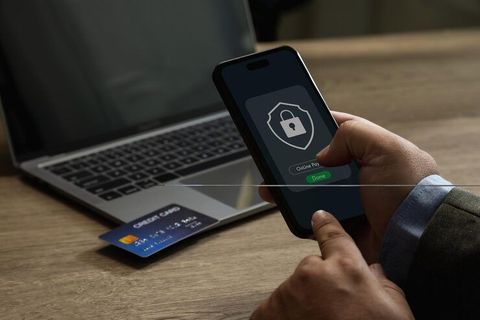
Staying Safe When Buying Things Online With Your Phone
Security for online payments means keeping money moves safe from hackers, scams, or stolen info. Doing banking stuff on phones might look like logging into accounts - sometimes sending cash to others - not always obvious what risks hide behind taps and swipes
- Paying utility bills through apps
- Transferring money digitally
- Using mobile wallets
- Shopping through mobile websites
- Accessing online banking platforms
- Scanning QR codes for payments
Out there, mobile gadgets link up wirelessly - leaving them open to digital dangers when safeguards slip. Banks plus creators pack defense after defense into apps: scrambled data trails, identity checks, constant watch for shady moves.
Mobile transaction security relies not just on tech but how people act. A strong system might fail when passwords lack strength, software stays old, or someone clicks risky web addresses.
Security features in mobile transactions
Security tools come baked into most phone-based payment apps, aiming to block sneaky logins. While one layer scrambles info, another watches for odd behavior mid-transfer.
From time to time, scrambled data moves safely across connections between machines and central systems. Logging in gets another checkpoint before granting entry. Access often depends on face scans or finger patterns instead of codes. A temporary code arrives by message each time money shifts hands. Payments pass through locked channels that block outside eyes. What the app can see from your phone stays tightly restricted
Security gets a boost from these tools - yet their real strength shows up only if people practice careful online behavior.
Mobile Transaction Safety Why It Matters
Out of nowhere, hackers target phones just as much as big companies. Stored on most handheld gadgets are private notes, login codes, financial records, also apps tied to money transfers. When one slips into the wrong hands, data meant to stay hidden can leak without warning.
Keeping mobile payments secure matters since it lowers chances of problems like:
- Identity theft
- Unauthorized account access
- Financial fraud
- Data leaks
- Fake payment requests
- Phishing attacks
When digital payments grow, knowing basic safety steps matters more for regular people. Still, staying aware helps avoid common risks online.
Common Risks in Mobile Transactions
Out of nowhere, glitches in software might open doors for trouble during mobile payments. On the flip side, a single slip in judgment by someone tapping their screen could invite problems just as easily.
Phishing Messages and Fake Links
Most internet fraud starts with phishing. These messages pretend to be real, tricking people into opening harmful links or giving up private information.
Examples include:
- Fake banking alerts
- Fraudulent delivery notifications
- Messages requesting urgent payment confirmation
- Emails pretending to come from trusted platforms
Some of these messages steer people toward fake sites that grab login details, credit info, or one-time passcodes. Fake links hide inside alerts that look real at first glance. Hidden behind familiar logos are traps set to steal what matters most online. Criminals mimic trusted sources so users won’t question where they click. What seems like a routine notification could be part of something far more harmful.
Public Wi-Fi Risks
Out there in coffee shops, terminals, or open areas, free internet access often opens doors for digital threats. When connections lack protection, strangers online might capture data moving from your gadget to services you use.
When doing things like online banking, it helps to be on a private network or using mobile data instead of public Wi-Fi. A personal connection often keeps your information better protected during money-related tasks. Mobile networks tend to add more layers of safety than open ones do. For anything involving finances, choosing a trusted setup makes a difference most times.
Unsafe Mobile Applications
Hidden malware sometimes hides inside certain phone apps. Not every program has strong defenses against attacks. Getting downloads from unknown places makes trouble more likely. Risk grows when the source isn’t trusted.
Malicious apps can:
- Track user activity
- Steal login credentials
- Record keystrokes
- Access personal files
- Send people to counterfeit checkout sites instead
Most security problems fade when apps come only from trusted sources. Permissions get reviewed, which blocks shady behavior before it starts.
Weak Password Practices
When a password shows up everywhere, breaking into just one place opens the door to more. Weak or repeated codes give hackers an open path instead of a challenge.
Most passwords built from familiar terms, personal dates, or repeated sequences tend to offer weak protection.
Secure Mobile Transaction Habits
Staying safe during online payments often comes down to routine choices. When people adopt simple precautions, risk shrinks without effort. A steady approach quietly blocks many typical dangers.
Strong Authentication Methods
Security gets stronger when accounts use several verification steps. These can involve passwords alongside fingerprint scans, sometimes even face recognition too
- Passwords combined with OTP verification
- Fingerprint recognition
- Facial authentication
- Device-based approval systems
When passwords leak, solid verification still blocks intruders. Tougher checks stand in the way of strangers poking around where they shouldn’t. Even with credentials out in the open, breaking in gets messy. Real hurdles pop up when systems demand more than just a name and code. Sneaking past layers takes work - more than most want to do.
Update devices and apps regularly
Most software upgrades bring better defenses alongside corrections for errors. When systems or programs fall behind, weak spots tend to linger. Hackers look for those gaps in outdated tools. Running old setups means risks stay active longer.
Regular updates help:
- Improve device protection
- Fix known security issues
- Support secure transaction processing
- Strengthen privacy controls
Staying up to date often happens without lifting a finger. Security stays sharper when changes roll in quietly behind the scenes.
Check account activity often
Spotting odd transactions might flag problems fast. When a charge shows up that feels off, it could mean someone else got in. Alerts about logins from strange places often point to trouble. Changes made to an account without warning tend to raise red flags.
Users commonly monitor:
- Bank statements
- Mobile wallet transactions
- Email login alerts
- Payment notifications
Finding issues fast can slow down money loss.
Avoid Sharing Sensitive Information
Messages asking for your password, one-time codes, or PIN rarely come from real banks. When details like these are sent by text or email, danger often follows close behind.
Important information to protect includes:
- Banking passwords
- Payment info like cards you pay with sometimes show up here instead
- Verification codes
- Personal identification numbers
- Account recovery details
Before replying to messages about money matters, people ought to check where they came from. A request might look real but come from a wrong place. Confirming the sender helps avoid trouble later. Getting proof takes little time yet prevents big problems. Mistakes happen when someone trusts too fast without looking deeper. Clear steps now protect against confusion tomorrow.
Protect the mobile device directly
Phones need strong protection because weak device security puts transactions at risk. When a handset lacks safeguards, even trusted apps may fail to keep data safe.
Helpful security settings include:
- Screen locks
- Automatic timeout features
- Remote device tracking
- App permission controls
- Encrypted device storage
A person walking up to a phone left open might find banking tools sitting right there. When someone gains entry without permission, money-related programs become gateways. Access like that opens doors wider than expected. An unguarded screen invites moves nobody planned for. Apps tied to cash turn risky under those conditions. Left unprotected, gadgets offer paths into sensitive areas. Simple reach can lead straight into financial zones.
Mobile Payment Tech Explained
These days, phones handle payments through tools built for ease and protection. Getting familiar with them shows people what happens behind each tap or scan.
Digital Wallets
Stored on devices, digital wallets hold payment details so people can pay using phones or tap-to-pay tech. A different way to carry cards, they work inside apps that connect straight to banks when buying things without touching anything. Information stays safe while moving money gets easier each time someone checks out fast. These tools replace physical ones by linking accounts directly to how we shop now.
Most of these systems rely on tools like
- Tokenization
- Encrypted payment processing
- Biometric verification
- Device-based authentication
Instead of showing real card data, tokenization swaps it out for short-term codes when payments happen - this keeps financial info safer. Temporary markers stand in place of actual numbers each time a transaction runs through systems. What gets sent across networks isn’t usable beyond that single moment. These placeholders change every time, making stolen tokens useless later. Real account details stay locked away, never touching public channels.
QR Code Payments
Out of nowhere, QR codes pop up at checkout counters, bus stops, train stations, even online apps. A quick snap with a phone camera kicks off the money move - no cash needed. From there, funds shift between accounts while the screen shows confirmation. Sometimes it feels like magic, though it is just tech doing its job quietly.
Even when QR payments feel quick, scammers can swap real codes with fakes that send you to shady sites. Checking where the money goes - before hitting confirm - keeps things safe. A moment of attention blocks big trouble later.
Contactless Payments
Out of reach of wires, contactless payments lean on NFC tech to move money without sliding a card through. Devices like phones shoot transaction details safely across small gaps. A tap does it - no swipe, no slot.
Most of these setups involve things like
- Encrypted communication
- Device verification
- Transaction limits
- Authentication requirements
How safe your payments are depends on what app you use and how your phone is set up.
Warning Signs of Possible Mobile Payment Fraud
Watch out for odd actions - they might mean trouble is near. When something feels off, it could point to a hacked account. Strange messages often come before bigger problems show up. Unusual login attempts sometimes happen right after sneaky moves. People notice weird patterns when things start going wrong. Spotting these clues early makes a difference later on. Quiet changes in habits tend to signal hidden risks. Alerts pop up for reasons worth checking fast.
Common warning signs include:
- Unexpected OTP messages
- Unknown charges or transfers
- Apps requesting unusual permissions
- Sudden account lockouts
- Login alerts from unfamiliar locations
- Pop-up messages requesting payment information
When odd things pop up, people usually reach out to their bank to check purchases while locking down access.
Differences Between Secure and Risky Mobile Payment Behaviors
Official apps keep things safer. Instead of downloading from shady spots, stick to trusted stores. Two-factor steps add a layer most skip. Weak passwords open doors better left shut. Fresh software runs tighter than outdated versions. Security patches often go unheeded - mistake. Look for signs a site is legit before typing anything. Random links lead places you do not want to be. Private networks guard what public ones leak freely. Public Wi-Fi hands over bank details like loose change. Check past moves in your account now and then. Strange behavior ignored today becomes trouble tomorrow.
Small routines shape how safe people stay online. What you do every day adds up over time.
User Awareness Shapes Online Transaction Safety
Still, tools on their own miss the mark when stopping digital scams. People spotting risks makes a real difference during phone payments.
Most folks aware of typical scams tend to handle online dangers more effectively
- Identify suspicious messages
- Recognize fake applications
- Avoid unsafe websites
- Protect personal information
- Respond to unusual account activity
Still, tools that teach money smarts help people move more carefully online. Learning initiatives pop up now, shaping how folks understand scams. Digital know-how grows where lessons show up, quietly changing habits. Online safety sticks around most when practice meets clear guidance.
Conclusion
Handling money online through phones means using safe tech while staying alert and making smart choices. Phones make banking easier, yet demand extra caution with private details like account numbers or card data. Scams pop up through fake messages, public Wi-Fi spots, shady apps, or easily guessed login codes. Strong locks come from scrambled data, multi-step logins, and built-in phone safeguards that guard each transaction. Spotting danger starts with knowing how things work behind the scenes. Users stay protected by noticing red flags before clicking, connecting, or sharing.