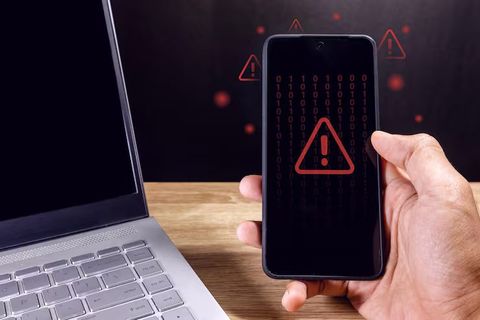
Mobile Threat Awareness Overview: Introduction, Details, and User Safety Tips
This piece covers everyday risks to phones, showing how each one works alongside clear actions that help stay safe. A look at platform contrasts appears here too, tied to basic moves anyone can make to boost defense against malicious software.
Mobile Threat Awareness What It Means and Why It Matters
Smartphones face dangers like harmful apps, sneaky scams, or hidden breaches - each one risking personal info, money safety, even how well your phone runs. Knowing what's out there helps spot trouble before it hits home.
Hidden dangers live inside today's smartphone risks. Not really what they claim to be, many pose as everyday programs. Messages that look familiar? Could be masks for something sharper underneath. Slips through when users open a file or tap install. From there, information might quietly disappear - photos, passwords, locations. Watching every move becomes possible without clear signs. Even basic operations on the phone can start failing at random moments.
Mobile devices are particularly vulnerable because:
- Information about you and your money gets kept by them
- Online every moment, without pause. Constant web access defines their state. Never offline, staying linked at all times. Their connection persists endlessly. Always within reach of the network
- Users frequently download apps and click links without verification
Seeing these dangers comes before better phone habits.
Common Types of Mobile Threats
From sneaky apps to hidden bugs, mobile dangers take many shapes - often built to twist how people act or slip through weak spots in software.
1. Malware Applications
Hidden dangers sometimes come inside seemingly normal applications. These programs look trustworthy at first glance yet carry secret damaging software. After setup begins, information might vanish without warning. Ads pop up constantly during regular use. Device features could respond oddly, acting on their own. Control shifts quietly behind the scenes.
2. Phishing Attacks
Out of nowhere, a fake message shows up pretending to be someone you trust. Instead of honesty, it leans on lies to grab your private details. Usually, these come dressed as alerts from places like shipping companies or banks. They copy real emails so closely that spotting fakes gets tough. Tricked by design, people hand over what should stay hidden.
3. Spyware and Tracking Tools
Hidden software watches what people do online, reading texts, tracking calls, while also logging web visits. Though running quietly on devices, it leaves few clues it is even there.
4. Ransomware
Locked out by ransomware? That is what happens when software freezes your files or phone until cash arrives. Computers face this more often, true, yet phones are not immune either.
5. Using public wi fi can expose personal data
Out in the open, a network might let strangers see what you send. If nothing blocks their view, private details could slip into the wrong hands.
Below is a simple overview of common mobile threats:
Some apps carry secret damaging software that steals information or slows down your phone. Instead of real notices, fake texts or emails trick you into giving away passwords. Software running quietly behind scenes watches what you do without consent. Files get locked suddenly by aggressive programs, blocking entry until demands are met. Open networks without protection let others grab what you send online.
Phone Malware Protection Across Devices
Most phones come with tools to block harmful software, though how well they work depends on the device type and what you do online. iPhones handle threats one way, Androids another - each has shields inside by default. Still, problems can happen even when protections are active.
Android Devices
Opening up your phone to apps beyond the official store gives more freedom, yet brings extra danger along. Guarding against harmful software on Android usually comes down to:
- Downloading apps only from verified app stores
- Reviewing app permissions before installation
- Keeping the system updated
iPhone Devices
Even though iPhones work in a tightly managed environment, they aren’t fully immune. Still, spotting harmful software matters since hidden risks can slip through now and then
- Phishing attacks can target any device
- Configuration profiles or suspicious links may introduce risks
- Older programs can leave openings for problems
Security depends on how users act, even if the systems are built differently.
Everyday mobile safety tips you can use
Most risks slip through small gaps. A few steady choices block many attacks. Staying alert beats relying on fancy software every time.
Use Apps Safely
- Install apps from official platforms only
- Check app reviews and developer information
- Avoid apps requesting unnecessary permissions
Watch Out for Suspicious Links and Texts
- Opening messages from strangers might lead nowhere good. Stay clear of clicking anything inside them. Unknown origins often carry hidden risks. It’s better when those stay unopened. Curiosity won’t help here - just caution
- Verify messages claiming urgent action
- Avoid sharing sensitive details through messages
Keep Devices Updated
- Install software updates regularly
- Updates often include security improvements
- Enable automatic updates if available
Use Secure Connections
- Avoid accessing sensitive accounts on public Wi-Fi
- Use encrypted connections when possible
- Turn off automatic Wi-Fi connections
Turn On Built-In Security
- Start with a touch of your finger if that works best. A secret code might suit you better though. Try drawing lines across the display when unlocking. Some folks prefer quick face scans instead. Your choice depends on what feels right each day
- Activate device tracking and remote wipe features
- Monitor app permissions periodically
Watch for Early Signs of Infection
- Sudden battery drain
- Unexpected pop-ups or ads
- Unfamiliar apps appearing on the device
- Slower performance than usual
Starting here, folks boost defense against harmful apps on Android while sharpening their ability to spot threats on iPhones. Step by step, real changes take hold without extra tools or fuss. Each move builds sharper eyes for danger across both types of phones.
Conclusion
Most people overlook how alerts about phone dangers help guard private details. Spotting sneaky app tricks lets someone pick downloads smarter, not harder. Even slick software shields cannot fix careless taps or risky logins. Updates rolling out quietly? Those actually plug hidden holes attackers love. Permissions sliding open by default - pausing there avoids unwanted access down the line. Browsing without thinking leads straight into traps masked as links. Watchfulness sticks where tools fall short.