Discover Phishing Prevention Basics: Detailed Explanation and Security Insights
Most scams succeed because of how people react, not fancy tools. These fake notes feel like they’re pressing you - urgent tones, logos you know, names that ring a bell. Spotting the pattern means catching odd signs early, way before passwords leak or phones get taken over.
Phishing stops when people learn what to watch for. Spotting sneaky emails becomes easier with practice. Instead of clicking fast, slow down - check where messages really come from. Fake websites often look real until small mistakes show up. Training helps teams catch tricks before they cause harm. Staying alert matters just as much as using strong passwords. Some scams arrive by text, others pretend to be coworkers. Each warning sign missed opens a door wider than it should be.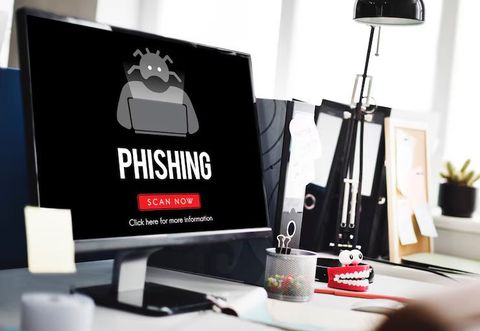
Phishing Prevention Basics
Most times, people get tricked by messages pretending to be someone trustworthy. Spotting these lies means checking where they come from, how they sound, or what they ask for. Messages might show up in inboxes, pop on phones, sneak into apps, or load through shady links. Staying safe involves slowing down, questioning odd requests, then stepping back before reacting.
A phishing message may pretend to come from:
- Banks or financial institutions
- Delivery companies
- Government agencies
- Social media platforms
- Streaming services
- Workplace departments
- Educational institutions
Most times, the aim is getting people to open a risky link, grab a dangerous file, or hand over private info.
Common Types of Phishing Attacks
Phishing comes in many shapes, each aiming at folks a bit differently. Spotting the red flags gets easier when you know what types exist.
A scam arrives by email, faking a trusted group. Regular people get these most often. Someone gets a message shaped just for them, using private details. Workers or leaders face this type. Texts come from unknown numbers carrying hidden traps. Phone owners deal with this daily. A call sounds real but pushes for sensitive data. Anyone near a phone might encounter it. An old email returns, changed behind the scenes. People who’ve interacted before are at risk. Profiles that look familiar turn out false. Social network visitors run into these regularly.
Pressure packed moments - urgency, fear, surprise - often push people to act before thinking. Scammers rely on that rush, feeding off distraction instead of doubt.
Phishing attacks keep rising
Out here, phishing attacks climb because people spend more time online. Remote jobs open doors too - attackers notice gaps when teams work apart. Digital messages fly around constantly, which means hackers find fresh paths often. More connections usually mean more chances for them to try.
Most scams spread fast because machines do the work now. Sometimes a fake message feels real after thieves study your online posts. Robots blast thousands of traps in minutes without slowing down. Details pulled from shared photos or updates make lies sound true. Fake emails arrive by the dozen once software takes over. Personal facts scraped online help fakes seem honest. Machines handle mass messaging so crooks save time. Public details twisted well can hide dishonest aims.
Most scams still work not by cracking codes but by using how people naturally act each day. Trust gets used against us when habits open hidden doors.
Preventing phishing with awareness and safe habits
Most times, odd wording gives fake messages away. Spotting these clues early helps block scams before they start. A sudden request out of nowhere? That often means trouble ahead.
Spotting Red Flags in Emails and Texts
Got your attention pretending to be someone you know? Watch for odd links or strange sender addresses - those can give it away. A mismatched logo might slip through, yet the wording usually feels off somehow. Looks urgent? That pressure tactic pops up a lot. Real messages rarely demand instant replies, although they do arrive quietly. Tone too stiff or weirdly casual? Another red flag waving slow. Always check the fine details before clicking anything at all.
Common warning signs include:
- Unexpected requests for passwords or payment details
- Wrong grammar or strange ways of putting words together
- Email addresses that do not match official domains
- Messages creating urgency or panic
- Suspicious attachments or shortened links
- Generic greetings instead of personal names
A message might say your access vanishes soon - this kind of urgency often hides a harmful web address waiting behind a click.
Start by checking odd messages through trusted sites before replying right away. A quick call to customer support clears up doubts better than fast answers. When something feels off, go straight to the source rather than clicking links. Jumping into replies can wait - visit the real website first. Odd emails? Pause. Open your browser. Find the company page yourself. Messages that rush you deserve extra steps. Slow down. Confirm through known contacts. Trust takes effort when scams pretend to be urgent.
Secure Passwords and Account Practices
Even when passwords get leaked, solid account protection helps limit damage from phishing scams. Though attackers gain access details, safeguards in place can still block their progress. When settings are tight, a breach might never fully take hold. Because defenses act fast, stolen data doesn’t always mean loss of control. If layers are built well, risks shrink without stopping work.
Important security habits include:
- Using different passwords for different accounts
- Creating long passwords with varied characters
- Enabling multi-factor authentication where available
- Updating passwords regularly
- Avoiding password sharing through email or messaging apps
A second check kicks in when you turn on multi-factor authentication - like typing in a code from your phone or tapping approve in an app. This small addition makes breaking in much harder.
Software Updates Matter
Outdated gadgets often get hit by scams meant to sneak in bad programs. When updates roll out for your system, browser, or apps, they patch weak spots hackers know about.
Automatic updates can improve protection by:
- Fixing security weaknesses
- Improving spam filtering systems
- Enhancing browser safety warnings
- Blocking harmful websites
Staying current matters since hackers often go after old software that no longer gets fixes. Updates close gaps before they can be exploited by those looking to steal information.
Prevent phishing by practicing email safety
Most phishing attempts still arrive through email. Building smarter routines around messages helps avoid risky links.
Check links before you click
Most scam messages slip in false addresses that look like real pages. The true destination shows up when you pause your pointer on the link first.
Users should look for:
- Misspelled domain names
- Extra characters or numbers
- Unusual website endings
- Insecure website formats
A fake site might copy a well-known business name, swapping just one letter - something you’d barely notice at first glance.
Start by typing site names straight into your web browser - this small shift lowers chances of landing on counterfeit pages. One wrong click might send you off track, yet keying the address yourself builds a stronger barrier. Fake sites often hide behind clever imitations, though entering URLs manually cuts through the deception. The path seems minor, still it creates space between real and rigged destinations. Each time you type, you sidestep traps disguised as familiar links.
Handling Attachments Carefully
Hidden dangers come tucked inside email attachments sent by scammers. These files pretend to be ordinary things - like bills or delivery confirmations - when they are not. Instead of opening them, awareness helps spot what hides beneath familiar names. Files arriving unexpectedly might carry silent threats waiting to activate. What seems like a routine document could quietly install damaging programs. Clever fakes mimic trusted paperwork to trick careful eyes. Often these look just like messages seen before. Yet behind the surface runs unseen code with risky intent.
Suspicious attachments may include:
- Unexpected ZIP files
- Unknown document formats
- Executable files
- Password-protected attachments without explanation
Opening a strange file might seem harmless - yet verifying it first via a known-good contact method adds protection. Sometimes messages arrive with odd extras; checking with the sender directly avoids hidden risks. A quick call or message could prevent bigger trouble later.
Email Filtering and Spam Protection
Most current email systems run messages through scanners looking for odd patterns. Even though such checks add a layer of safety, gaps still exist.
Spam filters can help by:
- Identifying harmful senders
- Blocking dangerous attachments
- Flagging suspicious messages
- Reducing fraudulent communication
Even when systems catch most threats, a few tricky messages slip through. Watch closely what lands in your inbox - some fakes look real enough to fool software. Filters help, yet they are not perfect. A clever scam might skip past them without notice. Paying attention remains key, since one missed detail opens doors. Care comes before clicks, always.
Stopping phishing during everyday online use
Most people think phishing only happens through email. Yet hackers aim at phones too, slipping into messages without warning. Social networks open doors just as wide, inviting trouble quietly. Shopping sites? They sit in the crosshairs now. One wrong tap, one fake login - access granted.
Mobile Device Phishing Risks
Texts might trick phone owners into clicking harmful links. Fake apps appear real but carry hidden risks. Messages on chat services sometimes come from imposters instead of trusted sources.
Common mobile phishing methods include:
- Delivery notification scams
- Fake banking alerts
- Prize or reward messages
- Fraudulent login verification requests
A tiny display might hide details you’d spot on a larger one. When a message pops up out of nowhere, better skip the link inside. Screens that shrink everything force your eyes to work more than they need to. A note from someone you weren’t waiting for? Probably best left untouched. Jumping into unknown web paths through apps carries risk. Seeing clearly matters when letters blend together. That odd invite via chat - maybe wait before tapping.
Sticking to trusted sources when grabbing apps cuts down on risky downloads. Official stores tend to filter out dangerous programs before they reach users.
Social Media and Messaging Scams
A scam might start with a profile that looks real but isn’t. Fake names, stolen photos - those tricks pull people in. One message leads somewhere unsafe. Pretending to be someone you know works too well. These moves feel personal because they are.
Breaking into systems might happen when hackers try to:
- Request personal information
- Share fake login pages
- Send malicious files
- Spread misleading news or promotions
Checking if an account is real helps lower the chance of scams online. When details stay private, hackers find it harder to trick people. Fewer exposed facts mean less room for deception. Hidden profiles often avoid fake requests. Real names add trust, yet oversharing invites trouble. Less visibility sometimes blocks suspicious messages.
Public Wi-Fi risks and how they affect online safety
Using public Wi-Fi at coffee shops, transit hubs, or lodging spots can open doors to digital risks when handled without caution.
Safer browsing practices include:
- Avoiding financial transactions on unsecured networks
- Using secure websites with HTTPS connections
- Logging out of sensitive accounts after use
- Avoiding automatic downloads
Staying safe online helps block phishing attacks because it reduces chances for hackers to grab or alter data. A single slip can open doors - tight routines shut them fast.
Long Term Phishing Prevention Through Daily Habit Building
Staying safe from phishing means showing up the same way every time, paying attention. Sure, nothing wipes out danger entirely - yet doing things a particular way chips away at scam chances. A few routines? They quietly lower the odds you’ll get caught.
Differences Between Safe and Risky Internet Actions
Getting safe habits means double-checking who sent an email. Jumping on messages from strangers skips a step most regret later. A second login check adds protection where passwords alone fail. Old reused codes break easily under pressure. Fresh system versions arrive often for solid reasons. Outdated programs stay open too long without fixes. Writing web names by hand avoids detours into trouble. Links found anywhere can pull you off course fast. Files deserve a pause before they get opened wide. Blind clicks invite what careful eyes might have blocked.
Small actions can block scams before they start. Though basic, these routines build strong shields over time. One wrong click might slip through, yet consistency turns tiny steps into solid protection.
Education and awareness shaping understanding
When schools, workplaces, or neighborhoods teach about digital risks, spotting fake messages becomes easier. People learn what tricks scammers use through regular training sessions held in familiar places. Training that happens where we spend time builds sharper instincts over weeks or months. Lessons shared during work hours or school days stick better than one-time warnings ever did. Real talk about scams shows up differently when it fits into daily routines.
Educational efforts often focus on:
- Identifying suspicious messages
- Reporting fraudulent communication
- Understanding data privacy
- Practicing safe browsing habits
Staying alert matters since scams shift shape as days go by.
Handling a Potential Phishing Message
Should a person think they’ve engaged with a scam email, acting fast could limit harm. A quick check of account activity might reveal signs of unauthorized access. Instead of waiting, resetting passwords can block further intrusion. Contacting the organization directly by phone adds another layer of protection. Even small changes like enabling two-step verification make a difference. Looking closely at recent transactions helps spot anything unusual. Reporting the incident to authorities supports broader efforts against fraud.
Suggested responses include:
- Changing affected passwords quickly
- Enabling multi-factor authentication
- Monitoring account activity
- Reporting suspicious emails
- Running device security scans
Acting fast might stop someone from getting into your account or causing more harm.
Conclusion
Most people overlook how simple tricks pull them into fake links - yet spotting odd requests early changes everything. Fake alerts pop up everywhere, pretending to be urgent; that pressure hides their real goal. Messages copy trusted brands closely enough to confuse anyone glancing too fast. A sudden ask for passwords might seem normal until timing feels off. Websites shaped like familiar pages still carry tiny flaws in addresses. Texts claiming prizes create quick excitement before doubt kicks in. Social posts mimic friends’ tones while steering toward data leaks.
Start by looking closely at who sent the message. A second glance at links before clicking keeps trouble away. Software updates happen often for a reason - skipping them opens doors best left shut. Stronger login protections change how easily others get in. Paying attention to incoming emails shapes better outcomes. Moving slow through websites helps avoid hidden traps. How passwords are managed affects safety more than most think.
When more people talk online, stopping fake messages stays key to staying safe on the web - whether at home or at work.