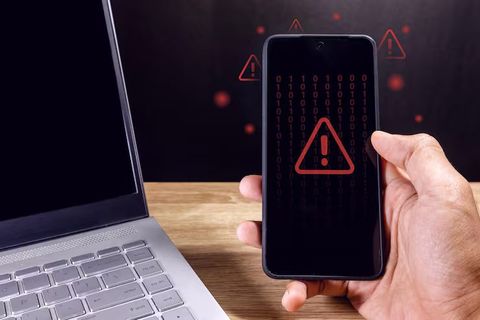
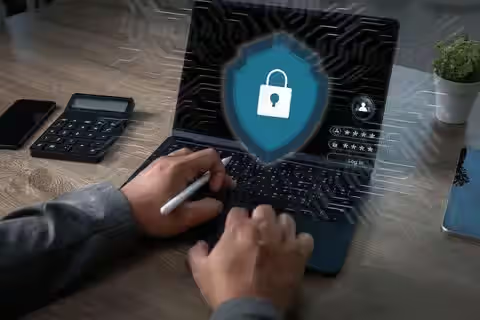
Discover Mobile Fraud Prevention: Detailed Explanation and Security Insights
Most phones today carry tricks to spot shady moves in apps or payments. When something odd happens during a purchase, alerts pop up through smart checks built into the system. These shields watch every tap and swipe across banking sites plus ad clicks too. Spotting glitches early gives people time to act before things spiral down wrong paths. Each tool plays its part without shouting what it does behind the scenes.
Stopping Phone Scams
Out of nowhere, crooks target phones to pull off sneaky moves like phony purchases or breaking into accounts they shouldn’t touch. Sometimes, scams show up as rigged ads, pretending to be real clicks or views just to cash in. Other times, someone’s personal info gets snatched without permission, used to pose as them later on. Money might vanish too, moved around without consent through shady deposits or transfers. Spotting these tricks early helps block harm before it spreads further.
Out of nowhere, some systems spot odd behavior by combining AI with live tracking. When someone tries logging in too many times, payments look risky, or a phone suddenly shifts locations, these alerts go off. Instead of waiting, they react fast - catching things that just don’t fit the usual flow.
Fewer people now handle cash. Instead, tapping phones or opening apps moves money fast. These shifts push more activity through hidden systems that manage payments behind the scenes. Criminals watch closely, looking for weak spots in those systems. When gaps appear, stolen details can slip out without warning. Software designed to catch sneaky behavior helps spot trouble before damage spreads.
Common Types of Mobile Fraud
Not every scam hits the same way - some go after money in apps, others mess with ads online. Payments get hijacked here, fake clicks show up there. Identities vanish one minute, brands lose cash the next. Each trick plays out differently across phones and services.
One type of mobile scam involves fake apps that steal personal data. These tricks often lead to unauthorized charges on user accounts. Another version uses phishing texts pretending to be trusted companies. Crooked callers sometimes clone devices to access sensitive info. Fraudulent ad clicks run up costs without real engagement. Some scammers mimic legitimate services through spoofed numbers. Each method exploits trust in familiar tech platforms
Someone logs into an account without permission. This leads to lost money and personal details used wrongly. A person uses fake or taken payments on mobile systems. These cause arguments over charges and leaks of private data. Thieves move a phone number to their own SIM chip. People then lose control of logins and safety codes. Banks struggle when someone deposits counterfeit checks using apps. The bank faces losses, so do customers. Ads show false taps, views, or downloads on phones. Results look good but they are not real. Scammers send tricky messages or make fake apps on devices. Users give up passwords, risking private info.
Out of nowhere, mobile fraud tools start watching how devices move through daily tasks. When something shifts - say a login at an odd hour - a silent alarm checks it against past habits. Instead of relying on fixed rules, they notice mismatches, like sudden spending spikes after calm months. Behavior that once seemed routine now stands out, flagged not by what happened but how it unfolded.
Payment Gateway Fraud Detection How It Works
Midway through a transaction, red flags pop up when something feels off. Because behavior patterns shift, the system takes note of unusual moves. A sudden spike in spending? It gets flagged right away. When details mismatch, alarms go off behind the scenes. Speed matters here - decisions happen in moments. Hidden rules weigh location, device, and timing together. If past habits break without warning, scrutiny follows. Fraud checks run silent but deep beneath each click.
Among the signs people often watch are:
- Device location and IP address
- Unusual purchasing behavior
- Rapid transaction attempts
- Mismatched billing information
- Use of unfamiliar devices
- Repeated failed login attempts
Take sudden big purchases from abroad on a phone plan - say, three in one hour - the response might be a brief hold while checks happen. Pausing like that cuts down fraud, yet lets normal spending stay smooth.
These days, machine learning shows up more in spotting fraud through payment gateways since it finds subtle clues across massive piles of transactions. As weeks pass, such models grow sharper at catching new tricks scammers try.
Mobile Fraud Detection and Security Systems
Out of sight, mobile fraud detection uses programs, constant watch setups, one after another with ways to judge danger levels. Built to spot risks fast - yet keep real users moving without hitches along the way.
Most phones now watch how you act when using apps. When you tap, swipe, or open your account matters. Speed at which letters appear on screen gives clues. Logging in many times each day builds a pattern over weeks. Moving through menus follows certain paths usually. Buying things at odd hours stands out sometimes.
When odd actions happen - like sign-ins from far-apart places in quick succession - the system might ask for extra proof of identity. By stacking checks like this, safety gets stronger without setting off unnecessary alarms.
What stands out next is how devices leave unique traces. Information like the software version, browser details, or physical components gets pulled together. When something shifts unexpectedly, these markers notice. Masking who you are does not always work - odd mismatches tend to show up anyway.
Stopping fraud with mobile deposits
Camera deposits happen through phone apps, making check cashing easier now. Still, scammers find ways to abuse that access when safeguards slip.
Checking mobile deposits carefully helps stop people doing wrong things like sending the same check twice or changing details. Some banks turn to special software that studies pictures of checks sent by phone. This tech looks closely, spotting anything odd or out of place during review.
Common warning signs include:
- Multiple deposits of the same check
- Edited or manipulated check images
- Deposits from suspicious accounts
- Inconsistent account activity
- Abnormal deposit frequency
When banks spot warning signs, they sometimes hold off on handling payments. Review tools step in at times like these - cutting down fraud-related money loss across finance networks.
Stopping Fake Mobile Ads
These days, most ads pop up on phones. Yet shady tricks sneak into those ads more often now. Stopping scams means spotting clicks that nobody really made. Fake taps, downloads, or views get caught before they count. Real eyes matter, not robot tricks hiding behind screens.
Most mobile ad checks watch where clicks come from, what apps do, how people act - spotting robotic patterns fast. Machines pretending to be users often show up through odd rhythms in timing or repetition. Fake phones, scripted actions, misleading ads - all these twist real results without warning. Behavior that feels off usually points back to hidden scripts running behind scenes.
Common forms of mobile ad fraud include:
- Click injection
- Fake app installs
- Impression fraud
- Bot-generated traffic
- Device spoofing
Most times, fake clicks on mobile ads get caught early by smart tracking tools. Because of that, companies see clearer results from their spending. When odd patterns show up, they’re set aside before messing with the numbers. This way, reports stay closer to reality without sudden spikes no one can explain.
Machine learning now helps ad systems spot sneaky fraud people might miss. Right when something odd happens in mobile ads, it gets flagged fast.
Mobile Fraud Risks Rise With Poor Security Outdated Devices Public Networks Fake Apps
What hides behind growing scams on phones? Clues come from how people act, what tech they use, tools that fail them, habits left unchecked. Spotting patterns makes guards go up faster. Companies start seeing risks clearer when real behavior is watched closely.
Growing Use of Mobile Payments
When phones handle money tasks, sneaky risks grow. Because mobile payments keep private data, hackers find these systems worth chasing.
Public Wi-Fi Networks
Out there on open Wi-Fi, someone might be watching what you do. These loose networks give scammers a chance to slip in - quietly grabbing info or spreading nasty code.
Weak Password Practices
Most break-ins start when someone guesses a weak password. When logins get exposed, scams often follow soon after. Not every hacker needs fancy tools - some just try common combos till one works. Easy codes make it simpler for outsiders to step right in. Breaches like these open doors that were meant to stay shut. Often, stolen usernames pair with simple passwords to cause trouble. One leaked credential can lead to several problems down the line.
Fake Applications and Links
Some hackers build counterfeit applications that trick people into giving up private data. Fake alerts pop up, pretending to be from familiar services. One moment you're checking a message, next your details are gone. Impostor sites copy real ones, down to small design choices. Scammers rely on similarity, hoping users won’t look too closely. A notification arrives - seems normal - but leads somewhere hidden. Trust gets twisted when logos and layouts feel correct. These traps appear out of nowhere, shaped like things you know. Mistaking them for genuine sources happens fast. Behind each lie is someone waiting to grab what's yours.
Limited User Awareness
Later on, strange messages might pop up without reason. A person could see odd login attempts but not realize what they mean. Links that look off often go unnoticed by many. Staying alert helps block scams before damage happens. Recognition of these signals makes a difference when trouble starts. Unexpected alerts sometimes arrive just before something goes wrong.
Simple Steps to Stop Mobile Fraud
Fake activity on phones gets harder to pull off if tools work alongside smart choices. When alerts and cautious clicks team up, shields go up without extra effort.
Here are several practical measures commonly recommended for reducing fraud risks:
- Enable multi-factor authentication for important accounts
- Regularly update mobile operating systems and applications
- Avoid installing apps from unknown sources
- Review account activity for unusual transactions
- Use secure internet connections whenever possible
- Avoid sharing verification codes or passwords
- Enable device lock features such as PINs or biometric access
Security gets stronger when companies stack different defenses. One way is turning data into code so only authorized people can read it. Watching transactions as they happen helps catch odd activity fast. Alerts that pop up automatically keep teams informed without delay. Some systems even rate how risky an action might be on the fly.
Most scams succeed when people act without thinking. A single click on a fake link can open the door to theft. Learning what risks look like helps block them before they start. Some mistakes happen fast - through messages that mimic real ones. Awareness slows down bad decisions. Knowledge turns small moments into protection.
Mobile Fraud Detection New Patterns
Still one step behind, defenses shift when hackers up their game. New patterns quietly surface in how phones spot sneaky behavior.
Out of nowhere, artificial intelligence pops up in tracking huge piles of transactions instantly. Spotting tiny shifts in behavior? That’s where these systems shine - flagging what might be fraud before it spreads.
Fingerprints, faces, or even voices now help confirm identity on phones. These tools add extra protection beyond passwords. Each method checks something unique about a person. Security grows stronger when built into everyday devices.
Out of nowhere, companies are turning to prediction tools. Before anything happens, these setups scan old records - spotting odd habits through past moves across accounts.
Security tools need to keep things safe without making life harder for people. Too many checks might annoy them, yet too little protection opens doors to danger. Still, getting that mix right matters more than ever.
Conclusion
Most scams on phones get stopped fast when tools watch how people tap and swipe. Payment checks at checkout spots catch odd patterns early. Watching which gadgets log in reveals fakes trying to sneak through. Digital money moves safer once software flags weird behavior. Banks stay alert by tracking where clicks happen and who holds the phone.
Still changing, mobile fraud tools adapt when hackers grow smarter. To keep transactions clear and cut shady actions, spotting fake deposits matters just as much as catching false ad clicks on phones.
Most scams follow familiar patterns. Because phones do more now, spotting odd activity matters just as much as before. Some risks come from weak habits. Yet better routines make threats easier to catch. Protection grows when people notice small red flags early. Since apps handle sensitive tasks, staying alert fits into daily life without extra effort. Hidden dangers often show hints first. When awareness improves, so does safety around devices.