Digital Payment Scam Prevention Insights: Expert Guide and Professional Recommendations
Most folks overlook digital payment traps until it hits close to home. Sneaky tricks evolve fast, pushing fake urgency through messages that feel legit. Spotting odd details early keeps money safer when buying things online. Clever frauds mimic real companies down to tiny fonts and logos. A pause before clicking often reveals mismatched email addresses. Real banks never ask for passwords by text. Odd requests arrive at random times, aiming to confuse. Double checking links stops trouble before it spreads. Awareness builds slowly, mostly after small mistakes add up. Watching patterns helps dodge similar traps later on.
Most people today pay online, yet risks come along with that shift. Scammers find new tricks often, using fake messages or pretending to be trusted services. Spotting danger early helps avoid trouble later. Some red flags pop up again and again - like urgent requests or odd links. Security pros suggest simple steps: check URLs, confirm sender identities, keep software current. Habits matter more than tools when staying safe. A quick pause before clicking can block big problems down the road.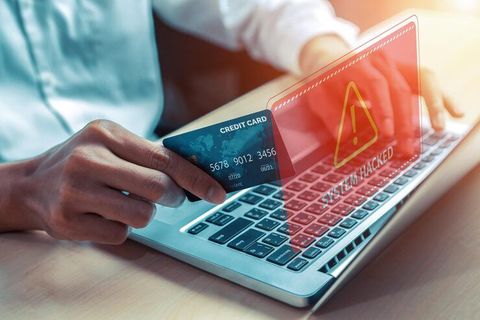
How to Stop Online Payment Scams
Money theft happens when scammers trick people using digital payments. Messages arrive out of nowhere, sounding urgent, claiming to be someone familiar. Fake sites pop up that look real at first glance. Emails slip into inboxes with links better left untouched. Calls come during dinner, voices calm, asking for details they should already know. Social media profiles mimic banks without warning. Information vanishes once shared by mistake. Trust gets twisted into a tool for loss.
Nowadays, handling money online feels easier than ever - yet risks climb just as fast. Scammers often lean on pressure, panic, or fake familiarity to push people into sending cash or spilling private info.
Common targets include:
- Mobile banking users
- Online shoppers
- Small business owners
- Senior citizens
- First-time digital payment users
- Individuals using public internet connections
Most times, a cyber expert will say staying alert is where it all kicks off. Not machines failing - people slipping up - is what lets most scams through.
Common Types of Digital Payment Scams
Out of nowhere, fake transactions pop up on apps and bank systems more often than people think. Spotting the signs early means catching odd behavior before it gets worse.
Messages that trick you into giving personal info often come through email or text. These feel urgent, filled with links leading nowhere safe. Stickers with hidden barcodes show up where they should not. Scan one, money moves without your say. Someone calls claiming to fix problems on your device. They ask for codes meant only for you. A request arrives out of the blue to confirm cash going out. The name does not match anyone familiar, amount feels off. Promises of quick wealth pop up online with vague plans. You are told time is running short to join. Items listed on social sites vanish after payment sent digitally. No photo proof exists, seller has no history. Phone service cuts off without warning. Logins fail across apps tied to your number.
Out of nowhere, scammers shift how they operate when people start changing routines. When holidays hit or money gets tight, sneaky tricks tend to spike without warning.
Users Tricked by Fraud Schemes
Surprising how often scammers skip complex tech tricks. Instead, they set up moments that push people into acting fast - before double-checking anything.
Some common manipulation techniques include:
- Creating urgency through account suspension warnings
- Faking a role as someone from a bank or official office
- Offering fake rewards or refunds
- Using fear to pressure immediate action
- Impersonating family members or friends
- Exploiting trust in familiar brands
A fraudster might reach out saying odd transactions showed up on a bank statement. Instead of ignoring it, someone could click what looks like a real website link - only to land on a copycat site built to steal passwords.
Hold up. When odd payment demands pop through, experts say check things firsthand instead of replying right away.
Red Flags Suggesting a Possible Scam
Most times, spotting odd actions helps stop digital payment fraud. Even if tricks differ, plenty look nearly the same.
Users should be cautious when they notice:
- Requests for passwords, PINs, or one-time passcodes
- Messages containing grammatical mistakes or unusual wording
- Unknown links sent through text messages or emails
- Payment requests from unfamiliar accounts
- Sudden account verification demands
- Phone calls asking users to install remote access applications
- Unrealistic financial claims or prize notifications
- QR codes placed over original payment displays
Most banks won’t ever call asking for your password or account codes. If something feels off, reach out yourself using the number on their real website - never one from a message you get.
Ways to Keep Online Payments Secure
Staying safe with digital payments means mixing smart tech use with personal caution. One habit experts often mention? Watching where you click - links can hide trouble. Security grows when steps add up, like using alerts for every transaction. Think twice before sharing details, even if the request seems familiar. Mistakes slip in fast, so slow down at login screens. Tools help only if people actually use them wisely each day. Patterns shift constantly, which is why old routines fade. Every choice builds either risk or protection - it depends on attention.
Strengthening Account Security
Keeping your account safe helps guard online payments. When passwords are too simple or used across sites, breaking in gets easier. A strong setup blocks intruders before they start.
Recommended security practices include:
- Creating strong passwords with a mix of characters
- Using unique passwords for different accounts
- Enabling multi-factor authentication
- Updating banking applications regularly
- Monitoring account activity frequently
- Logging out from shared devices
Should someone get your password, they might still fail to log in. That extra check at sign-in time stands in their way.
A locked screen matters just as much. Phones plus laptops handling money need fresh system updates along with reliable protection tools.
Staying Safe on Shared Networks and Equipment
Out in the open, public Wi-Fi sometimes leaks what you send unless it's locked down tight. Hackers wait there, grabbing bits of info when signals travel bare. Hidden dangers ride along these links, ready whenever privacy drops its guard.
Most of the time, specialists suggest skipping online bank tasks when using open Wi-Fi spots. Devices hooked into shared machines could let risks slip through. Charging ports in busy areas? They sometimes open doors for unseen issues.
Safer practices include:
- Using mobile data instead of public Wi-Fi for banking
- Avoiding account logins on public devices
- Stopping your device from joining new Wi-Fi spots on its own
- Reviewing app permissions regularly
- Keeping screen locks enabled
Stopping bad logins often comes down to tiny steps taken early. A little caution goes far when protecting your login. Simple moves made ahead of time block most intruders easily. Guarding access works best when done quietly, before trouble shows up. Most breaches never happen if small shields are in place first.
Finding Fake Websites and Apps
Out of nowhere, scammers set up look-alike sites that mimic real financial apps. Not too far off, these copied interfaces fool users by imitating trusted services almost exactly.
Users should examine:
- Website addresses for spelling variations
- Connections using HTTPS show security
- App developer names before installation
- Feedback from people who used it plus how changes were made over time
- Unexpected pop-ups requesting sensitive information
Most dangerous apps never make it onto trusted platforms. Still, slipping into a chat link from an odd source might install something sneaky instead.
Keeping personal details safe online
Out there on the web, details you post might land in scammer hands - suddenly showing up in fake messages that feel real. When info is already out in the open, it gives crooks a tool, one they use to pretend being someone you know or even bypass security checks meant to protect accounts.
Important information to protect includes:
- Banking details
- One-time passwords
- Government identification numbers
- Birth dates
- Address information
- Phone numbers linked to financial accounts
Sharing less about yourself online can lower the chance someone steals your identity or tricks you on purpose.
Changing Ways People Cheat with Online Payments
Still moving forward, digital payments see new tricks match each step. Scammers now lean on bots, smart algorithms, or clever talk to make fake messages feel real. Watching closely, experts notice these shifts happen faster than before.
Some growing concerns include:
AI-Generated Scam Messages
Some fake messages now look just like the real thing, thanks to smart software. Instead of clumsy fakes, scammers send notes that sound exactly like your bank or a friend. Machines help copy voices, wording, even small habits in writing. Older tricks were easier to spot. Now, what feels familiar might be a setup made by code.
Checking messages might not be enough. Instead of trusting how a request looks, go straight to a known contact method. When in doubt, reach out using a way you know works. A quick call beats guessing from an odd text. Trust the process, not the package it comes in.
QR Code Payment Fraud
Out there in cafes, buses, or shops, people tap their phones on squares made of dots to pay. A switch happens when scammers swap real ones for fakes - money slips into pockets it shouldn’t.
Before hitting confirm, take a look at who will receive the money - spotting an odd name might flag something off. A quick glance could reveal signs that things are not right. Names that seem wrong often point to trouble ahead. Spotting mismatches early turns small moments into useful checks. Catching strange details now might stop bigger issues later.
Account Takeover Attacks
Inside a hacked account, thieves might shift money around or abuse saved card details. Stolen login info often comes from past leaks plus fake emails tricking users into giving up passwords.
Checking accounts often plus changing passwords regularly might catch odd behavior sooner. A fresh login code now then a look at recent actions could show something wrong before it spreads.
Social Media Payment Scams
Now picture this: social apps are slowly turning into shops where money changes hands right inside the chat. A scammer might pop up with a pretend identity, acting like someone selling something real. Instead of truth, they serve lies using photo tricks that look believable at first glance. One moment you’re buying, next you're tricked by someone who never had the item at all.
Before sending money online, it helps to double-check who you are paying. Look closely at each part of the payment info. Mistakes can happen when details get rushed. Taking a moment makes errors less likely. People who handle lots of transactions say slow steps prevent problems later.
Safe Ways to Use Online Payments
Most experts in online threats and money protection say staying safe comes down to daily routines online - never just one app or fix. What matters grows out of repeated choices, not magic shields. Safety builds slowly, shaped by what you do every time you log in. Tools help, yet behavior holds more weight when risks show up. It is the routine checks, pauses, second thoughts that add layers over time. One firewall won’t carry the whole load. Small acts pile up where big promises fall short.
Some widely recommended approaches include:
- Verify payment requests independently before approving transactions
- Avoid sharing sensitive details through messages or calls
- Review transaction history frequently
- Report suspicious activity quickly to financial institutions
- Keep contact information updated with banks
- Enable account alerts for payment activity
- Stay updated on today's scams by checking alerts from trusted sources
Staying alert helps people avoid scams. When new ways to pay come along, those who keep up with changing risks tend to spot warning signs more easily.
Little kids start handling money online sooner these days, so grown-ups talk more about staying safe while paying digitally. Instead of just learning how to save or spend wisely, they’re also picking up ways scams work on the internet. Money know-how now means watching out for tricks as much as knowing where dollars go.
Conclusion
Staying safe from payment scams means knowing what tricks scammers use, spotting odd messages or actions, while also building smarter online routines. Phishing attacks show up as emails pretending to be real companies; someone might ask you to pay money fast using a forged invoice. Fake QR codes can redirect payments without notice - crooks often count on quick decisions and borrowed trust to succeed. Stronger login details help, so does adding extra steps like verification codes when signing in somewhere new. Paying close attention before sharing private data cuts down risk sharply. When people double-check every request for cash transfers confusion drops off. With more buying and selling happening through devices worldwide alertness makes a difference over time. Acting carefully protects your funds just as much as updated software ever could.